.png)

Masterclass with Michael Patra
The Forces That Set Exchange Rates and the Regimes of the Rupee
Michael Debabrata Patra



Vivek Kaul
Vivek Kaul is a writer and an economic commentator.

Michael Debabrata Patra
Michael Patra is an economist and former RBI Deputy Governor.
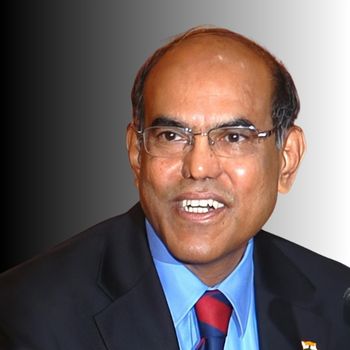
Duvvuri Subbarao
Dr Subbarao is a former governor of RBI
Arvind Mayaram
Arvind Mayaram, former Finance Secretary, is Chairman of the Institute of Development Studies, Jaipur.

Ashima Goyal
Dr Ashima Goyal is an Economist, Ex MPC Member.

Ajay Srivastava
Ajay Srivastava is the founder of the Global Trade Research Initiative.
Abheek Barua
Abheek Barua is the former Chief Economist of HDFC Bank. He teaches at Ashoka University.
Vijay Chauhan
Vijay Singh Chauhan, a former IRS official, is a Senior Visiting Fellow at ICPP, Ashoka University
R. Gurumurthy
Gurumurthy is an ex-central banker who handled markets, and later, financial stability for RBI.

Gaura Sen Gupta
Gaura is Chief Economist at IDFC First Bank.

Sharmila Kantha
Sharmila Kantha is an industrial policy specialist and author.
Lt Gen Syed Ata Hasnain (Retd)
Lt Gen Hasnain is Governor, Bihar, and Former Commander of Chinar Corps.

Dhananjay Sinha
Dhananjay, a D-School alum, is CEO and Co-Head of Equities at Systematix Group.

Sharmila Chavaly
Ex-civil servant Chavaly held key Railways, Finance roles; specialises in infra & PPPs

Srinath Sridharan
Srinath is an author, corporate advisor, and independent director on corporate boards.
Amitabh Tiwari
Amitabh Tiwari tracks politics with a strategic eye
Vivek Kaul
Vivek Kaul is a writer and an economic commentator.
Michael Debabrata Patra
Michael Patra is an economist and former RBI Deputy Governor.
Basis Shorts
The Bureau

Week in Numbers: Tracking India’s Economic Pulse
Datametricx
AI FOMO Is Creating A Cyber Blindspot
Srinath Sridharan
Resilience or Belief? Reading the IMF's Outlook Through a Behavioural Lens
The IMF's October World Economic Outlook is read for its numbers. Read again, it is also a record of how traders, households, forecasters and governments behave when nobody knows what comes next
B Sharathbabu
M S Ramaratnam

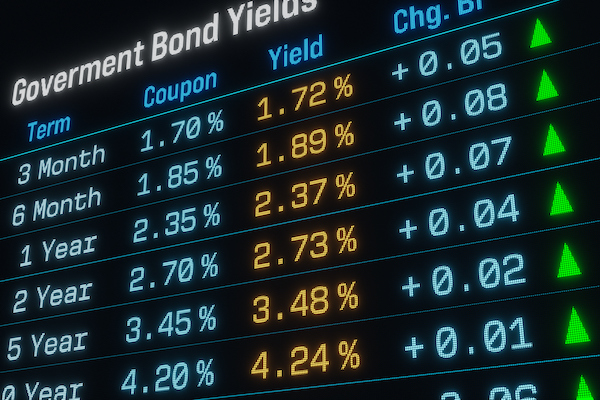
Rising Yields Signal Dislocation, Not the Market Doing the RBI’s Work
Surging bond yields signal dislocation amid policy uncertainty. Investors may find value, but traders face rallies vulnerable to renewed selling
Yield Scribe

Opinion
AI Eats Strategy and RBI Reserves for Breakfast
AI is weakening the forex economics of India’s services engine, while RBI reserves and FCNR liabilities buy time for a difficult external-sector transition.
Srinath Sridharan
Anand Venkatanarayanan

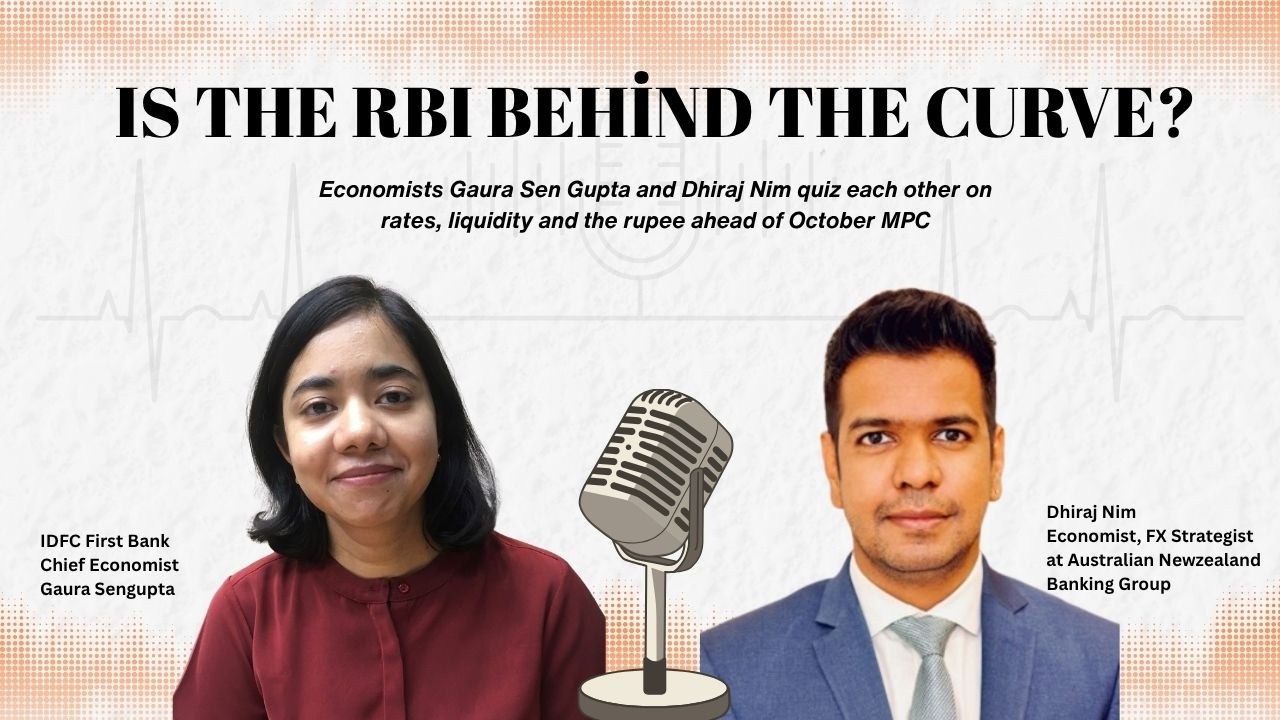
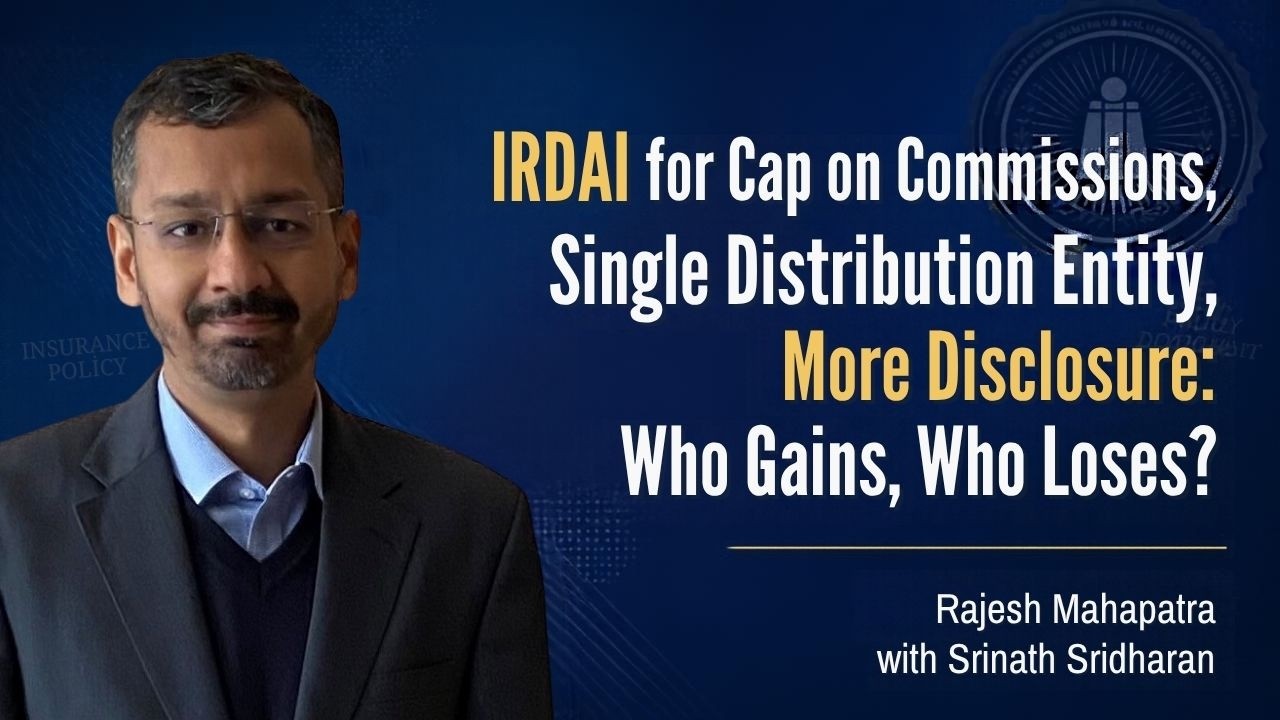
IRDAI for Cap on Commissions, Single Distribution Entity, More Disclosure: Who Gains, Who Loses?
Rajesh Mahapatra
Srinath Sridharan
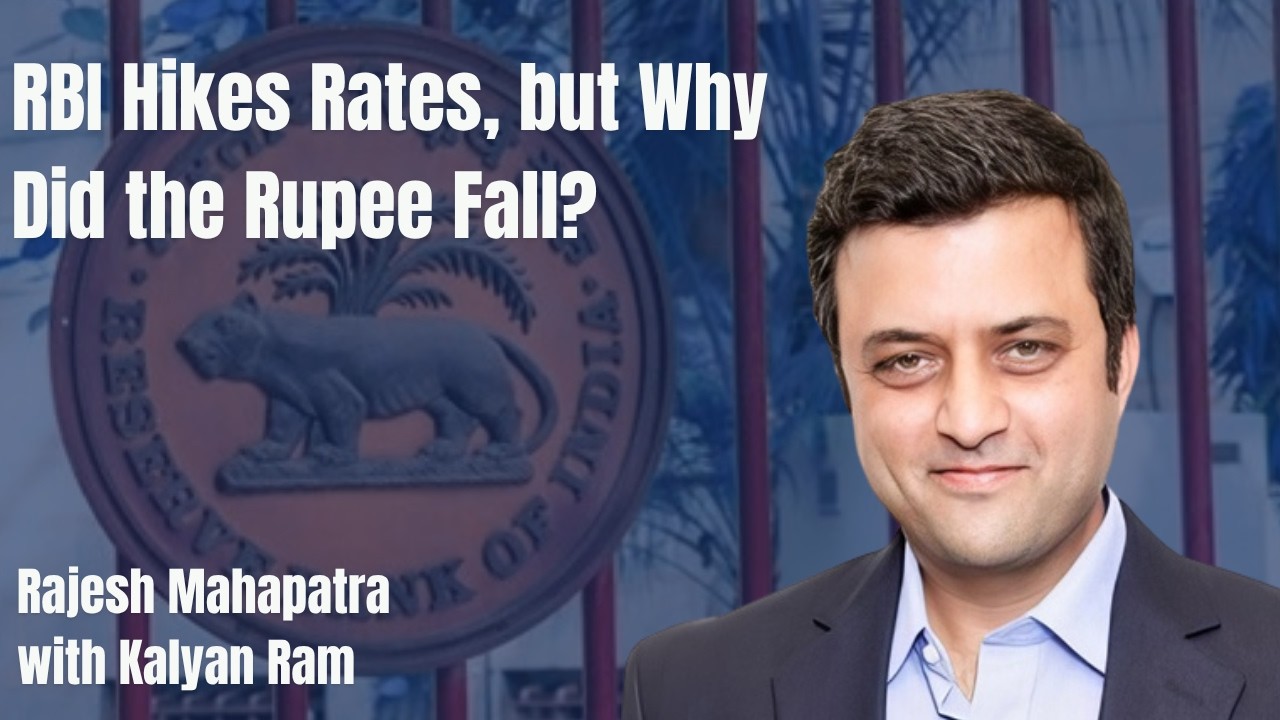
The RBI Has an Information Advantage; it is not in any Panic
The RBI’s information advantage helps explain its pre-emptive rupee measures and their role in preserving orderly market functioning.
Michael Debabrata Patra
The End of Abundance
V. Anantha Nageswaran
The Chinese Underwater Threat
Prakash Nanda
Snabbit’s Cash Burn Is No Surprise in India’s Startup Wars
Pradip K. Saha
Nirmala Sitharaman, Retail Investors and the Great Indian Wealth Transfer
Are India’s retail investors powering a great wealth transfer, giving FIIs and promoters an easy exit at rich valuations while also adding pressure on the rupee?
Vivek Kaul
Geopolitics
Pakistan's Strategic Paradox: Global Ambition, Domestic Fragility
Lt Gen Syed Ata Hasnain (Retd)
Corporate India Needs Buyers, Not Just Tax Breaks
Dhananjay Sinha
Banking's AI Revolution Still Needs Human Judgement
Michael Debabrata Patra
Flexible Jobs Could Help More Indian Women Join India’s Workforce
Amitrajeet A. Batabyal*
The Bargaining Power Rural India Is Losing
Arvind Mayaram
IDBI Bank Sale: Public Ownership Must Serve a Purpose
Nilanjan Banik
Yes Bank’s Rescue Did Not Give Its Administrator a Free Hand
Chandrika Soyantar
Delimitation Is Back in Focus: Can the BJP Get It Through This Time?
The BJP wants to revive delimitation after its April defeat. But balancing equal representation with southern states’ concerns will require more than parliamentary arithmetic.
Amitabh Tiwari

Make the Chips, Own the Recipe
Chandrika Soyantar
Bonds Were Never an All-Weather Hedge
V Thiagarajan
Gold Buyers Aren’t Panicking. Sellers May Be
Atul Prakash
Masterclass with Michael Patra
International Dimensions of Monetary Policy
Michael Patra explains how exchange rate regimes shape monetary policy independence and why global forces constrain domestic policy choices
Michael Debabrata Patra

The Rupee Needs Resolve, Not Reprimands
Kalyan Ram
SEBI’s Auction Rethink Shows Why One Price Cannot Serve Every Purpose
SEBI’s closing auction may improve price discovery, but that does not automatically make the same price the best benchmark for derivatives settlement.
Basis View
Fickle FPIs are punching above their weight for now; MFs below
Mutual fund buying has outgunned FPI selling by a factor of over 5x even as markets continue to tank. The relationship isn't entirely cut and dry, though
Ujval Nanavati

As Long as Retail Investors Stay in La-La Land, It’s Always Summer for OPM Wallahs
Why are retail investors pouring money into select funds at stretched valuations, and why are fund managers so silent about the risks investors are taking in pursuit of returns?
Vivek Kaul

The RBI Buys Time, but Can It Turn the Rupee Around?
Yield Scribe
UPI MDR
Cost of Sustainability Must Not Become the Cost of Digital Exclusion
Rabi N. Mishra
Komal Gupta
Punjab 2027: Does a SAD-BJP Reunion Make Sense?
SAD-BJP reunion could revive both parties, but vote transfer will decide if it can challenge AAP and Congress in Punjab.
Amitabh Tiwari

RBI’s FX Barricades Expose the Limits of Borrowed Stability
The RBI’s $143 billion swap mobilisation has failed to ease rupee pressure. Fresh currency controls reveal the limits of debt-funded reserves
Dhananjay Sinha
India's Hidden Connectivity Shock
Sagari Gupta
RBI’s FX Moves
Prudence Penalised, Leverage Encouraged
The RBI’s curbs could punish genuine hedgers without addressing the outflows weakening the rupee or restoring confidence in the policy framework.
V Thiagarajan
MPC Review
The RBI Is Making Haste Slowly
The RBI has settled the direction of rates, not the pace. A cautious inflation diagnosis faces a harder test from the dollar and financial risks.
Kalyan Ram
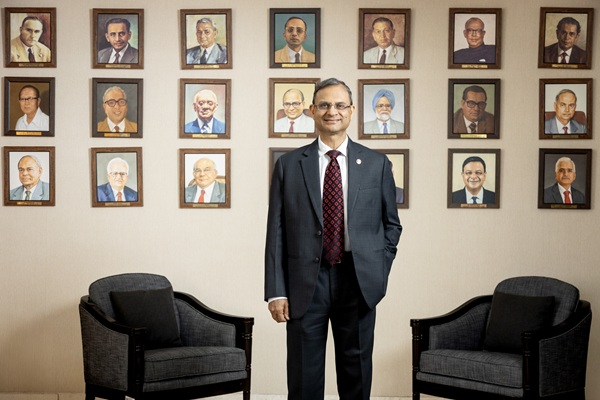
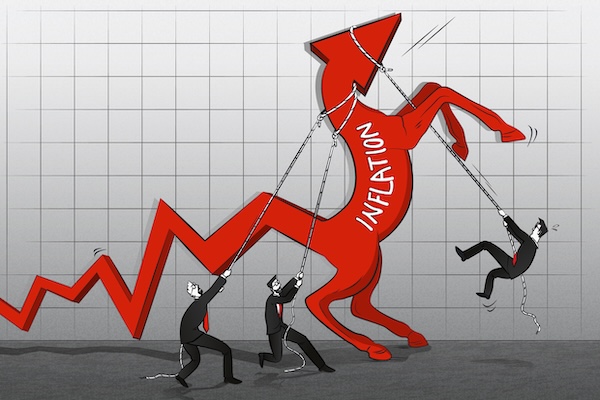

The India-Pakistan Cold War
Shashi Tharoor
UPI’s Next Challenge: Can India Keep Digital Payments Sustainable?
D. Tripati Rao
Adv. Shivam Rai
Pooja Teotia


MPC Special
When Everyone Protests, Even Bonds are Voting with Their Feet
We are stepping outside our weekly schedule ahead of the policy decision because agreement on a likely rate hike is concealing some consequential disagreements about what should accompany it.
Phynix
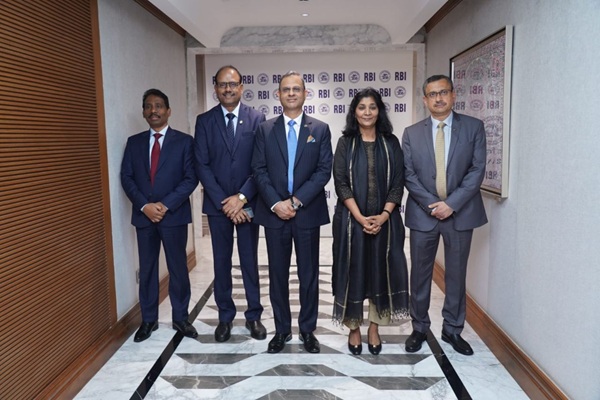
What Tata Sons and RBI Each Owe the Other
Chandrika Soyantar
Investors Cannot Do Everyone’s Homework
Krishnadevan V
Masterclass with Michael Patra
Operational Realities in Monetary Policy Transmission
Monetary policy transmission begins instantly in money markets, but frictions across rates, bonds and bank credit weaken its speed and strength.
Michael Debabrata Patra

Why Climate Finance Is Becoming a Sovereign Debt Problem
The convergence of fiscal and monetary risks is shaping the climate finance debate. As debt grows and capital costs climb, can countries fund resilience without deepening the trap?
Arvind Mayaram

Securing the Siliguri Corridor in an Age of Hybrid Threats
Lt Gen Syed Ata Hasnain (Retd)
An Inspection Is Not an Assurance
Rahul Ghosh
PLI at Six: Real Factories, Modest Returns, and a Bill Still Being Written
Ganga Narayan Rath and Chirayu Sharma
Ready to Sign an Interim Deal or Stuck at a Plateau?
Ajay Srivastava