.png)


Dhananjay Sinha, CEO and Co-Head of Institutional Equities at Systematix Group, has over 25 years of experience in macroeconomics, strategy, and equity research. A prolific writer, Dhananjay is known for his data-driven views on markets, sectors, and cycles.
November 20, 2026 at 3:30 AM IST
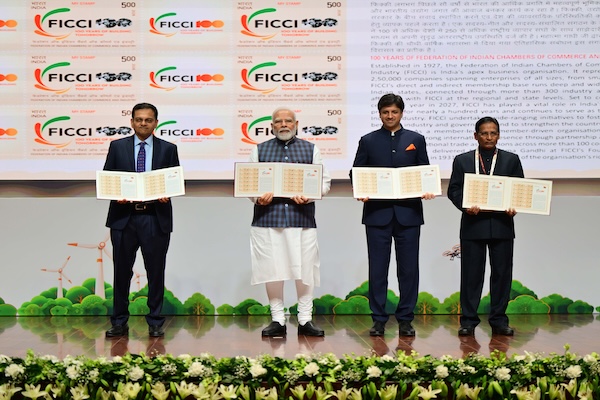
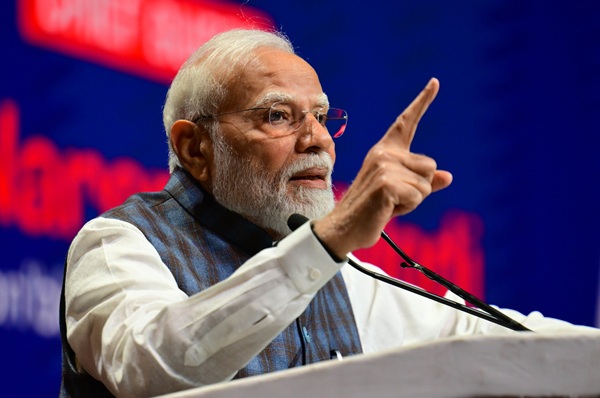
Prime Minister Narendra Modi’s sharp rebuke to Indian industry at the FICCI centenary convention is the culmination of a long-simmering frustration in New Delhi. By publicly calling out corporate leaders over stagnant wages, an overreliance on imports, inferior domestic product quality and a failure to capitalise on free trade agreements, the Prime Minister gave voice to a structural reality.
This exasperation from the top is entirely unsurprising.
It represents an official realisation that a multi-year bet on supply-side economics has failed to trigger a self-sustaining cycle of private investment, manufacturing exports and mass job creation.
The Limits of Supply-Side Economics
While these tax breaks successfully lifted corporate profit margins to multi-year highs, businesses largely used the windfall to deleverage their balance sheets and hoard cash rather than build new factories or revive private capital expenditure.
Supply-side incentives cannot spark investment when aggregate consumer demand is weak, because corporate India needs buyers, not just tax breaks.
By keeping wages suppressed to protect margins, corporations eroded household purchasing power. Without broad-based consumption growth, businesses saw little reason to expand capacity, leaving the economy stuck in a cycle of weak demand and subdued investment.
Also Read:
Tax Cuts Cannot Command Investment
Make in India and the FTA Disconnect
Indian firms continue to rely heavily on imported intermediate components, meaning manufacturing growth often leaks abroad through higher import bills rather than building deep domestic supply chains.
Similarly, while New Delhi aggressively signed free trade agreements expecting corporate India to use them as export springboards, businesses struggled to utilise preferential trade access.
A lack of global scale, insufficient research and development and non-tariff barriers meant that these agreements often led to sharper surges in imports than exports, reflecting precisely the lack of preparedness the Prime Minister criticised at FICCI.
The Jobs Squeeze and the GDP Contrast
As formal, labour-intensive manufacturing has failed to take off, the economy cannot absorb the millions of educated young Indians entering the workforce each year.
Much of the employment absorption has occurred in low-productivity agriculture, self-employment and informal gig work, leaving educated youth facing high unemployment, stagnant entry-level salaries and growing discontent.
Consequently, India’s robust 7% to 8% headline GDP growth sits in uneasy contrast with conditions on the ground. Strong GDP numbers, propped up largely by government capital expenditure and formal corporate profits, mask weak mass-consumption indicators, falling household net financial savings and rising household debt.
An Escalating Chorus of Frustration
Ultimately, the Prime Minister’s blunt critique confirms that policymakers now recognise the limits of supply-side giveaways. Having exhausted fiscal room on corporate concessions, New Delhi is publicly shifting the responsibility onto India Inc. to finally hold up its end of the bargain on jobs, wages, quality, and exports.
That this comes ahead of the 2026-27 Union Budget announcement, the scope for fiscal sops for India inc. appears limited.
More From BasisPoint