ECL will require auditors to challenge models, data, forecasts, and judgement, demanding capabilities that extend beyond conventional accounting.
Rahul Ghosh
August 19, 2026 at 5:46 AM IST
Via WikiCommons

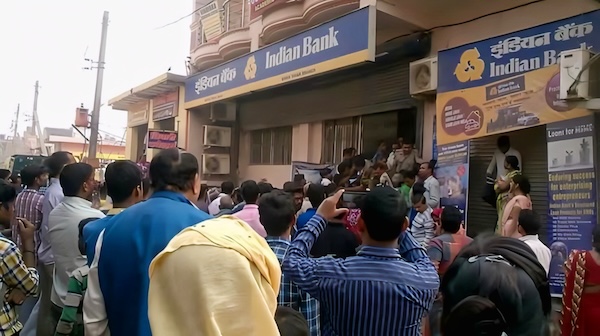
Recent governance and regulatory actions expose deeper weaknesses in banking governance, highlighting the need for stronger expertise, independent assurance and better risk culture.
August 10, 2026 at 4:26 AM IST
iStock.com
Fitch Ratings said Indian banks are well positioned to absorb the transition to the expected credit loss provisioning framework, aided by stronger capital buffers, healthy profitability and improved asset quality.
BasisPoint Insight
May 7, 2026 at 9:34 AM IST
Wikicommons
RBI’s shift to Expected Credit Loss norms pushes banks toward forward-looking risk assessment, aligning with global standards but demanding stronger models, supervision, and a deep cultural shift.
May 5, 2026 at 6:46 AM IST
ECL shifts Indian banking to forward-looking provisioning, strengthening resilience and risk pricing, but hinges on data depth, governance rigour, and model discipline.
K. Srinivasa Rao
May 4, 2026 at 9:49 AM IST
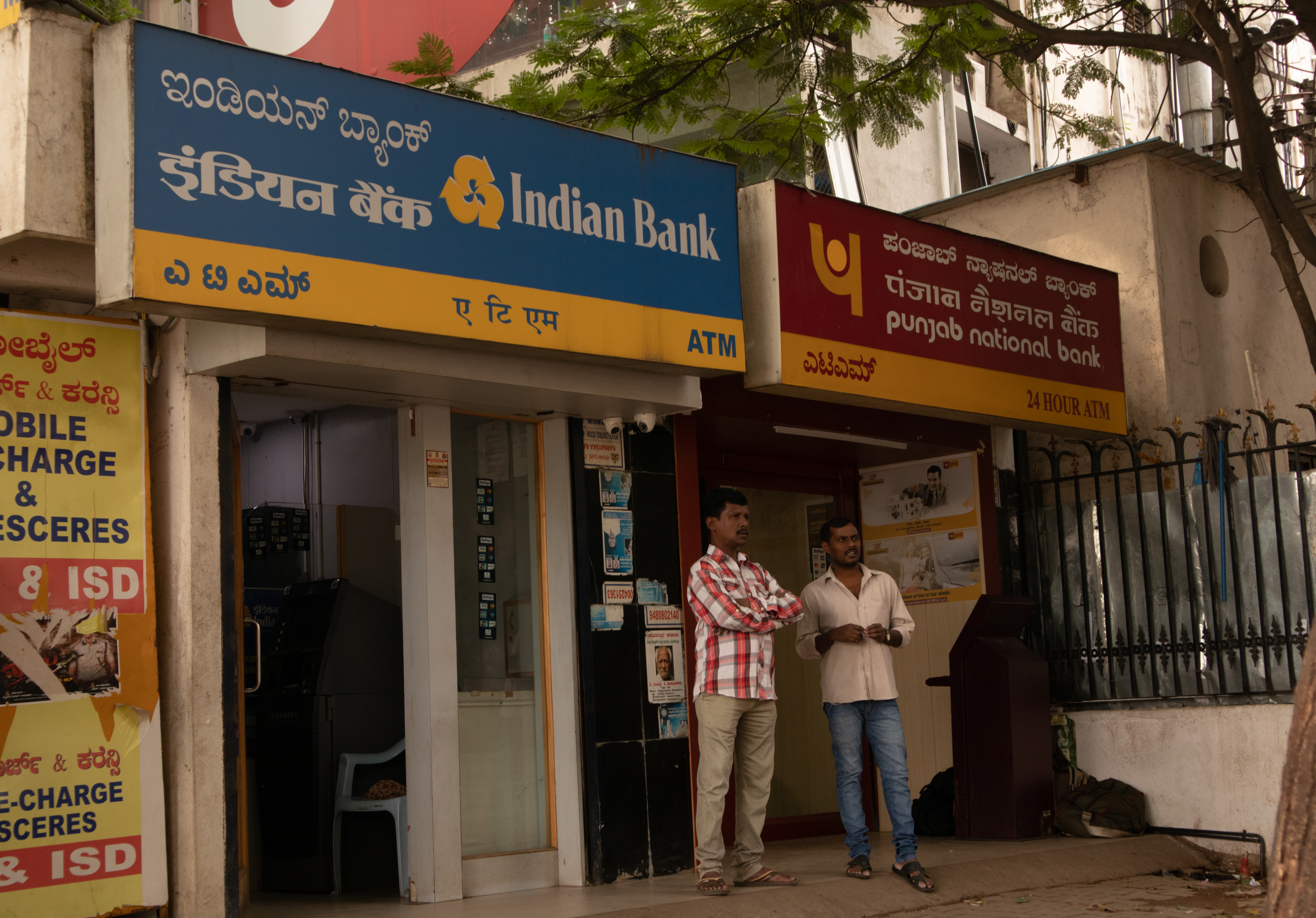
The new expected credit loss framework signals a shift in RBI’s supervisory philosophy, from reactive cleanup to forward-looking prudential control.
Babuji K
October 25, 2025 at 12:13 PM IST

The Expected Credit Loss regime may finally end India’s collateral-first mindset, forcing banks to forecast risk instead of discovering it too late.
October 23, 2025 at 7:03 AM IST
India’s new credit freedoms mark a turning point for banks, but the real reform lies in how they recalibrate risk, governance, and talent.
October 8, 2025 at 10:41 AM IST
Has the RBI truly embraced global best practices, or just adopted them for appearances? India’s half-hearted ECL rollout exposes a deeper discomfort with accountability.
R. Gurumurthy
October 6, 2025 at 4:37 AM IST