.png)


Sharmila Kantha is an industrial policy specialist and author. Formerly a consultant at the CII*, she has worked extensively on economic policy and India’s international engagement.
July 7, 2026 at 6:27 AM IST
The Ministry of Agriculture and Farmers Welfare convened a high-level virtual meeting on June 23 to prepare for an uncertain Kharif season, owing to the El Nino effect.
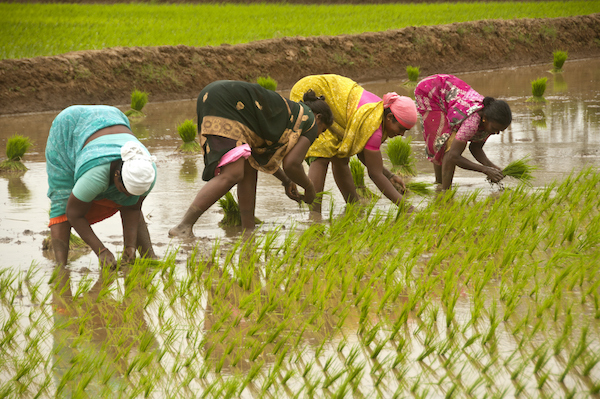
Between 2019 and 2025, seasonal rain has performed well, with normal / excess rainfall occurring in over 75% districts in five of the seven years, and a reasonably good annual average GVA growth rate of 3.3% for agriculture and allied sectors in the last three years. The challenge is to effectively deploy this water abundance and build long-term resilience through irrigation facilities that will minimise the vagaries of the monsoon. This will not only support farmers, but also improve food management, inflation control, consumer demand and overall income growth.
Two, wide regional disparities exist in irrigation access across the country. For example, in Punjab and Haryana, gross irrigation stands at over 90%, while some states have irrigation coverage below 25%, as per the Land Use Survey 2025.
Four, the share of canals is giving way to the rising share of tanks and tubewells, affecting groundwater supplies. The government is rightly shifting from large irrigation projects to improving the efficiency of irrigation. The Pradhan Mantri Krishi Sinchayee Yojana, underway since 2015, aims to take water management to the farm level. The Accelerated Irrigation Benefit Programme, Modernisation of Command Area Development and Water Management, watershed development, Har Khet Ko Pani and Per Drop More Crop schemes collectively help enhance water productivity through renovation of existing facilities, groundwater management, and boosting micro-irrigation facilities.
However, it appears that the proposed budget outlay for these programmes has been reduced over the last few years. The transfers to states and UTs under the Har Khet Ko Pani programme stood at Rs 8.93 billion in 2025-26, and has been budgeted at just Rs 7.0 billion for 2026-27. The total PMKSY outlay for 2026-27 at Rs 71.37 billion is barely higher than the expenditure for the previous year of Rs 69.21 billion.
The Economic Survey 2026 cites limited access to water as one of the hurdles to Indian agricultural productivity, and calls for boosting access to assured water supply through micro-irrigation and revival of water bodies. As El Nino and other weather events increase in frequency and intensity, India’s irrigation strategy requires focused long-term attention from central and state governments. Else, the Indian economy will continue to remain hostage to the monsoon performance year after year.
More From BasisPoint