.png)

Budget Unlikely to Offer any Succour to Capital Markets
Despite a ₹50-trillion market-cap wipeout, fiscal constraints, weak tax buoyancy and currency pressures leave little room for the Budget 2026 to offer direct relief to capital markets.

Chokkalingam, Founder of Equinomics Research, has over 40 years of experience in economics and markets, leading research teams at top financial firms.
January 24, 2026 at 6:38 AM IST
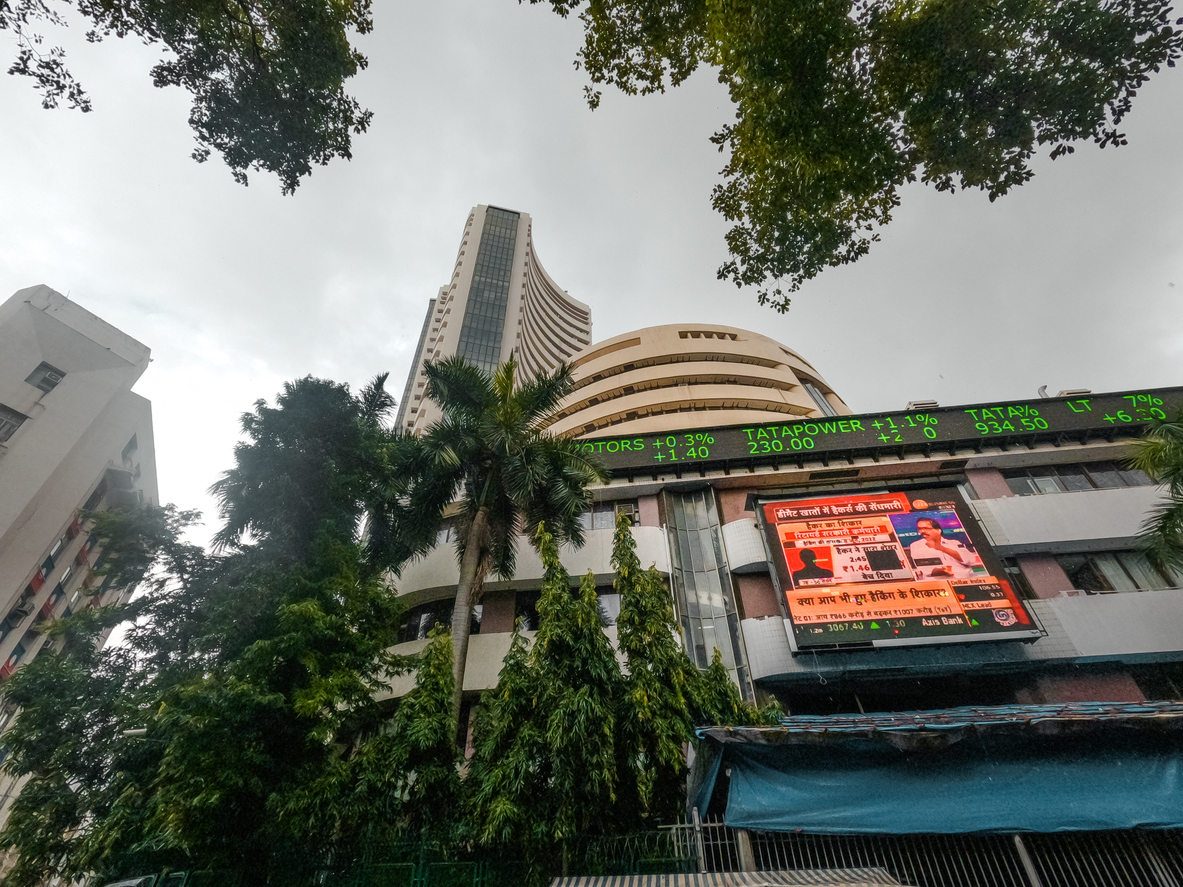
It is quite irrational to expect any direct benefits for the capital markets from the Budget 2026 despite a nearly ₹50 trillion meltdown in the overall market capitalisation from its record high seen in September 2024. Capital markets are unlikely to see any benefits from the Budget in the form of cuts in STT or capital gains tax. Nor is any relief to equity investors in terms of lower tax on dividends and share buybacks possible. Direct tax concessions in the last Budget and GST rate cuts a couple of months ago have led to moderation in the year-on-year growth of tax collections to a single digit. Hence, the central government is not in a position to offer direct fiscal benefits to the capital markets in the near term. However, analysing the possibilities of the forthcoming Budget still becomes highly relevant to the capital markets.
Aggregate demand has slowed down in the system. This is reflected in significant moderation in the growth rate of nominal GDP, lower headline inflation and poor single-digit growth in sales of consumer goods. To spur consumption, the government is likely to compromise on fiscal deficit targets and focus more on aggregate expenditure in the system. This fiscal expansionary policy could boost the prospects of stock markets in general.
The rupee continues to depreciate against the dollar. India is sitting on an external debt of around $700 billion. The RBI’s net short position of the dollar in the forward market is also reportedly around $66 billion. Any significant fall in the rupee in 2026–27 could increase the burden for Indian corporates, which have sizeable exposure to external commercial borrowings, and could dent the RBI’s revenue stream and also weaken its balance sheet. Controlling the dollar outflow and encouraging inflows should remain a priority for the Budget. Controlling the rupee exchange rate is key to containing continued selling of Indian equities by FPIs. Otherwise, this could lead to a vicious cycle of the rupee trending downwards.
Exports are now largely driven by exogenous factors such as higher tariffs. Therefore, it becomes critical for the Budget to focus on accelerating domestic production of import substitutes, thereby reducing the outflow of dollars from India and controlling further weakness of the rupee. We can expect some significant fiscal concessions to promote production of import substitutes, which is endogenous to the system. Investors would do well by focusing on efficient producers of import substitutes in the country.
Demand for GCCs and data centres is growing substantially. The Budget may consider some significant fiscal concessions to attract FDIs into GCCs and data centres, as they address the issues of both employment and dollar accumulation. These expected moves could increase the demand for office premises substantially. Companies, especially those with their own land bank or commercial premises, focusing on providing leasing premises for GCCs and data centres could benefit significantly.
High precious metal prices have started impacting gold imports into the country. Still, 2025–26 may end up with total gold imports to the tune of over $60 billion. It is imperative to effectively control the outflow of dollars towards the import of gold, that too at record high price levels. Apart from squeezing the country’s forex reserves, gold imports at current price levels may possibly lead to huge capital losses in the near future. It is quite possible for the Budget to hike import duty on gold. The same could adversely impact jewellers, as jewellery demand is already under pressure due to record spikes in gold prices.
Divestment proceeds from PSU divestments are likely to remain weak in 2026–27, and there has been a steep decline in most PSU stocks in recent months. It does not make sense to divest PSU shares at very low prices. However, pressure to mobilise resources remains very high. It is quite possible for the Budget to hike expectations from dividend proceeds from PSUs in 2026–27. Most PSUs, other than public sector banks, have corrected significantly, and for many of them, valuations have turned quite appealing. Investors would do well by focusing on PSUs other than PSBs that have rallied substantially in the last one year, which traditionally offer good dividends. They also trade at appealing valuations and hold promise of continued growth in business.
Railways saw hardly any year-on-year growth in capex in the last Budget. It is hard to keep capex for railways stagnating for a second year in a row. It is most likely that the forthcoming Budget will increase budget allocations for railways quite significantly. Hence, this is another segment worth considering by investors on the eve of the Budget.
The Budget’s objective of aggressive resource mobilisation efforts could target the liquor industry. Like the cigarette industry, the liquor industry could possibly see a spike in the tax burden in the forthcoming Budget. Capital market investors would do well by focusing on these possible initiatives by the Budget to minimise risks and also to seek investment opportunities.
More From BasisPoint