.png)

Yield Scribe is a bond trader with a macro lens and a habit of writing between trades. He follows cycles, rates, and the long arc of monetary intent.
November 9, 2026 at 4:15 AM IST
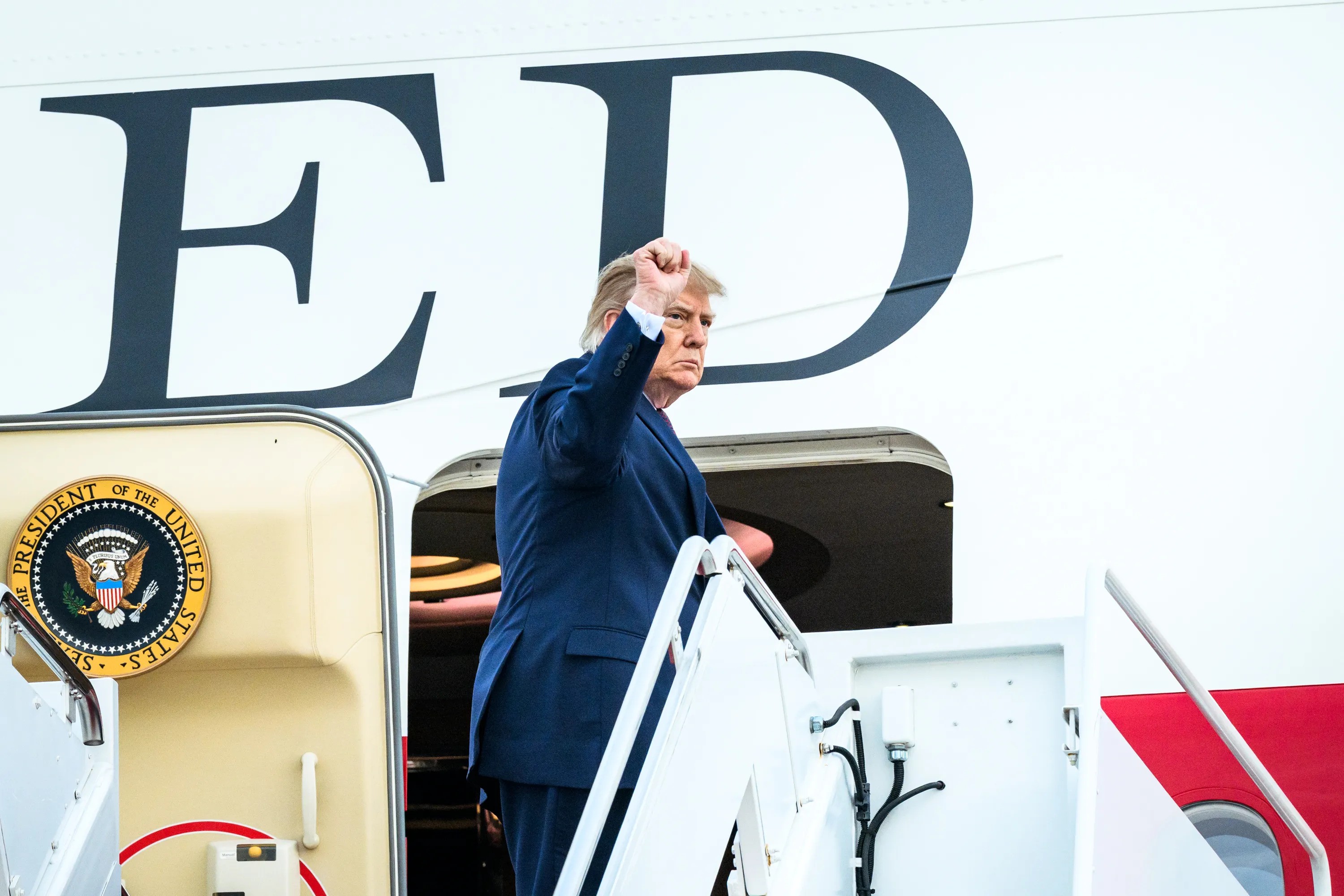
Donald Trump’s electoral defeat has created a dangerous interval for financial markets. Democrats have won both chambers of Congress, but their new majorities take office only in January. Before then, a president under pressure to end an unpopular war may decide that another military offensive offers his best chance of claiming victory.
Vice President JD Vance has made the political cost explicit. “The reason we lost is the war,” he wrote after the Republican defeat. Trump, however, continues to defend the decision to attack Iran. Reports suggest that renewed major combat operations remain under consideration. The election has strengthened the argument for a settlement without settling the administration’s response.
The intervening period is more crucial to investors than the precise size of the Democratic majority. The prospect of stronger congressional opposition could encourage Trump to negotiate. It could also increase the attraction of securing a military result before those constraints tighten. Another oil shock would then arrive just as divided government raises the prospect of slower growth and less monetary tightening.
The incentives within the Republican leadership may increasingly diverge. Vance has an interest in rebuilding a political coalition damaged by the war. Trump must defend a decision he continues to regard as justified. An agreement that allows both to claim success remains possible, but Iran would have to accept terms Washington could present as an achievement.
The military route also carries a strategic weakness. Media reports suggest that US intelligence assessments have indicated renewed strikes would be unlikely to alter Tehran’s negotiating position fundamentally or bring regime change. Further attacks could therefore prolong the conflict while worsening disruption around the Strait of Hormuz. An offensive intended to strengthen Trump’s position might instead leave him with fewer diplomatic options.
Congressional deadlock adds another layer. Democrats can challenge spending priorities, scrutinise the administration and obstruct its legislative agenda. Trump retains the veto, which requires a two-thirds vote in each chamber to override. A change in congressional control therefore creates bargaining and confrontation over policy, with uncertain consequences for investment and fiscal support. Those checks will not automatically prevent the president ordering further strikes.
A credible settlement offers a more favourable route.
Brent crude could move towards $80–90 a barrel, easing pressure on household budgets and corporate margins. Lower energy costs would give central banks more room to respond to weakening activity. Equities and emerging-market assets could benefit as investors require less compensation for geopolitical uncertainty.
A sustained escalation would reverse those forces.
Brent at $108–120 a barrel becomes a plausible scenario if regional supply and shipping suffer further damage. Companies would face higher costs while consumers had less income available for other purchases. Central banks would confront renewed inflation pressure alongside weaker demand, limiting their ability to cushion the slowdown.
The implications for US government bonds require care. An energy shock could push inflation expectations and longer-term yields higher. At the same time, weaker growth and demand for assets perceived as safe could support bond prices. The result need not be a uniform rise in borrowing costs across maturities.
Shorter-term yields could decline as investors anticipate fewer Federal Reserve interest-rate increases, while longer-term yields remain elevated because inflation has become harder to predict. A prolonged oil shock could push the 10-year US Treasury yield into the 5.15–5.65% range. Investors holding longer maturities would demand compensation for the risk of persistently higher inflation.
For currency markets, the competing forces are equally relevant. Weaker enthusiasm for American equities could reduce foreign demand for US assets. Yet a global scramble for liquidity could support the dollar, particularly against currencies of oil-importing economies. Falling share prices would therefore offer little assurance of relief for countries facing larger energy bills.
India would face several pressures simultaneously. Dearer crude would raise import costs, squeeze corporate margins and complicate inflation management. A stronger dollar could amplify the shock. In a sustained escalation, the benchmark 10-year government bond yield could move towards 7.50%, while the rupee could weaken towards ₹95.40 to the dollar. An equity rally would be vulnerable if dearer energy and currency depreciation forced analysts to cut earnings expectations. Higher domestic borrowing costs would add to the pressure on valuations, exposing the limits of a recovery driven by improving sentiment.
A prolonged stalemate would carry its own costs. Repeated limited offensives could damage negotiations without producing a military outcome that either side accepts. Investors would then face intermittent energy shocks, making it harder for businesses to commit to investment and for markets to sustain a recovery in confidence.
Congressional restraint will take time to translate into policy, while the price of oil can respond to a single decision in the White House. Trump’s electoral setback has increased the political cost of continuing the war. Investors now face the risk that his preferred response makes the economic cost larger still.
More From BasisPoint