.png)


Gourishankar S. Hiremath is a professor at IIT Kharagpur and works at the intersection of financial markets, corporate finance, and macroeconomic policy in emerging economies.
November 28, 2026 at 3:28 AM IST
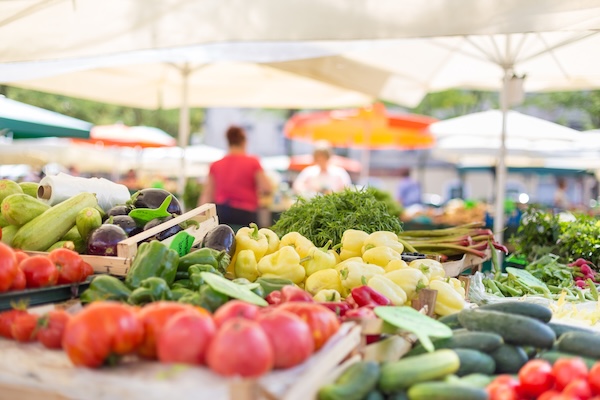
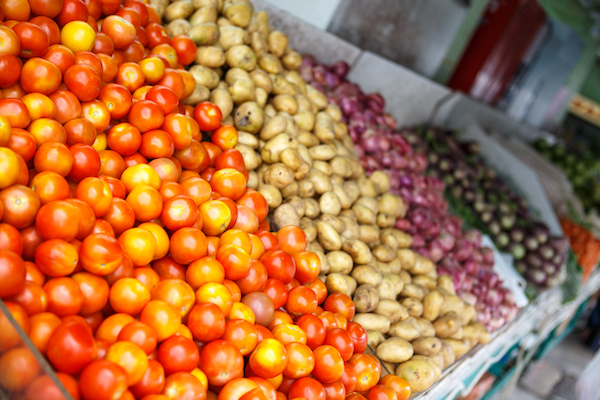
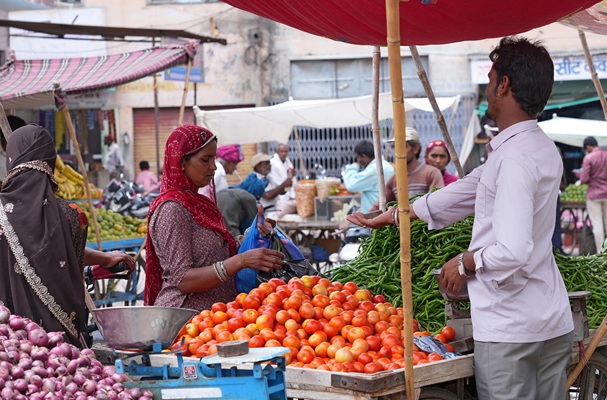
India’s headline inflation as measured by the Consumer Price Index stood at 6.09% in October, while food inflation touched 8.94%. However, that only tells part of the story. For the month under review, onion prices surged 116.22% on-year, highlighting the severe price pressures on certain essential foods.
In October, headline inflation also breached the RBI's upper tolerance band of the inflation-targeting, or IT, framework, raising questions about the monetary policy’s effectiveness against supply-driven inflation.
At its policy meeting on October 7, the RBI raised the repo rate by 25 bps to 5.50%, changing its stance to calibrated tightening from neutral. While this was the first rate hike in about three and a half years, critics argue the RBI should have anticipated inflationary pressures better, and raised interest rates earlier. What is missing from this debate is an appreciation of the complexities of inflation management in an economy such as India.
India retained its IT framework following the review in March, and while it has helped avoid persistent inflation, the effectiveness of the 4% midpoint as an anchor remains debatable, particularly as inflation has remained above that level for most years. The upper tolerance limit was breached in 2020-21 and 2022-23.
An early rate hike, though, could have hurt growth without substantially fighting supply-driven inflation. While consistent economic growth above 7% is impressive, it has not been broad-based. The organised sector and high-wage services have done well, while the unorganised sector and low-wage service jobs lag. In such a situation, a rate hike could disproportionately hurt the latter group.
Food Inflation
While the RBI's concern about inflation's disproportionate burden on the poor and lower-middle-income households is understandable, a repo rate-focused policy has limited effectiveness in containing supply-driven food inflation. A persistent rise in food prices can influence expectations, wages and prices elsewhere in the economy and the RBI must guard against these second-round effects. Yet, treating every acceleration in headline inflation as evidence of excessive demand runs the risk of imposing costs on firms and households without addressing the source of the disturbance. PLFS earnings data and independent analyses point to the vulnerability of casual workers and the uneven growth of labour earnings. These concerns are especially relevant when food inflation erodes the purchasing power of low-income households.
Interest-rate policy can help contain second-round effects, but estimating their magnitude is particularly difficult in India, given its large informal sector, sectoral imbalances and segmented financial markets. Predicting underlying supply shocks further complicates this task.
With real wages already stagnating or declining, monetary tightening could further weaken employment and consumption, disproportionately hurting vulnerable households without substantially easing supply-driven inflation. Of late, the RBI has shown greater pragmatism than a mechanical application of inflation-targeting prescriptions would suggest, recognising India's broader economic realities.
A Long-Term Response
A durable response requires a shift from managing food shortages after they occur, to reducing the economy’s vulnerability before they occur. Public investment is central to that shift. Irrigation networks, watershed restoration, agricultural research, extension services, climate-resilient seeds, rural roads and scientific storage are not interchangeable with farm loans, periodic debt concession or transfers. Credit expansion and periodic subsidies may offer temporary relief, but cannot replace public investment that builds productive capacity.
Real public capital formation in agriculture increased between 2011–12 and 2023–24. Yet, agriculture’s share of economy-wide public capital formation declined from 5.4% to 4.2% over the same period. This relative shift deserves scrutiny in a country where food security and climate exposure remain central economic concerns.
Critics may argue that higher public investment may widen the fiscal deficit and, if badly financed or executed, add to inflationary pressure. While the concern is understandable, capital expenditure that expands agricultural supply is different from recurring spending that leaves productive capacity unchanged. Its benefits arrive with a lag: more reliable harvests, fewer post-harvest losses and greater resilience to climatic shocks. The sensible response is to reprioritise expenditure, evaluate projects rigorously and maintain a credible medium-term fiscal path.
With early signs of food and fuel price pressures spreading into broader inflation, the RBI may have grounds for further tightening in December. The timing and magnitude of any hike should depend on the extent and persistence of second-round effects, not merely on headline inflation.
Even as food, fuel and input costs may rise given global uncertainty, a rate hike can help contain second-round effects and ease imported inflation through the exchange-rate channel. It, however, cannot resolve shortages of pulses or vegetables and must therefore be accompanied by other measures. As its 2023 increase in risk weights on certain consumer loans showed, the RBI can tighten credit selectively. A time-bound revival of selective credit margins on bank advances against stocks of pulses and edible oils could discourage credit-financed hoarding, while protecting legitimate storage and food-processing activities.
Targeted Relief
In an increasingly uncertain global environment, marked by geopolitical conflicts and a changing world order, many inflationary shocks are difficult to predict, let alone control. Nevertheless, domestic economic policy can strengthen infrastructure and productive capacity, making the economy less vulnerable to such shocks. Targeted public intervention is essential to cushion those least able to absorb the costs of inflation.
*Views expressed are personal.
More From BasisPoint