.png)


July 15, 2026 at 3:25 PM IST
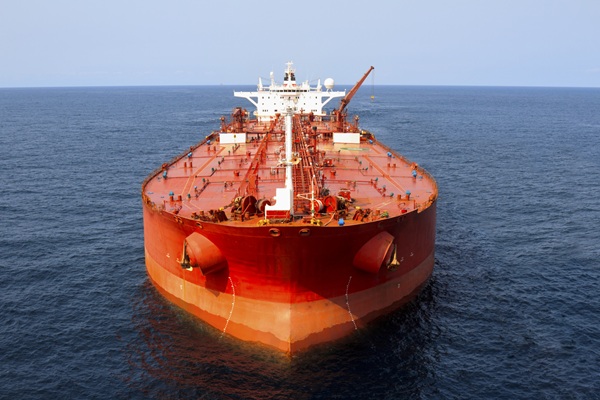
A group of 26 US senators—13 Republicans and 13 Democrats—has introduced a revised Russia sanctions bill that would authorise tariffs of up to 100% on imports from India, China, Slovakia, Hungary and Azerbaijan for purchasing Russian crude oil.
The proposal, unveiled on July 14, 2026, is a scaled-back version of the Sanctioning Russia Act, first introduced on April 1, 2025, which sought tariffs of up to 500%.
Supporters have presented the revised measure as part of the legislative legacy of Senator Lindsey Graham, who died on July 12.
India has little reason for concern. The original bill sat in the Senate for more than 15 months without action, suggesting limited congressional support for such sweeping tariff powers. The revised bill may meet the same fate.
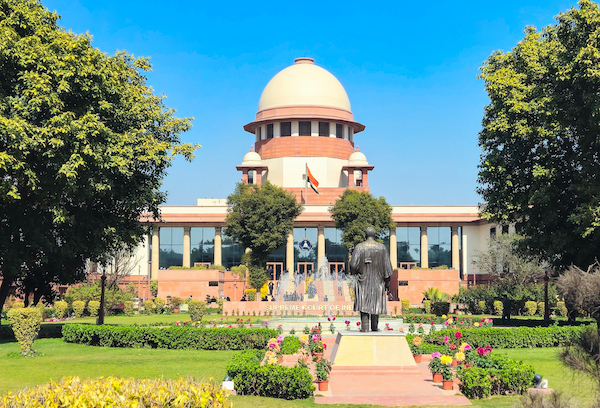
Its prospects are further weakened by recent US Supreme Court rulings that struck down both the reciprocal tariff regime and Section 122 tariffs, underscoring the legal limits on using tariffs outside established trade laws.
Even if the bill were enacted, implementation would remain uncertain. When Washington imposed additional tariffs on India in July 2025 over purchases of Russian oil, it avoided similar action against China, despite China's far larger imports from Russia. The new bill also exempts 15 European countries that continue to buy Russian gas, highlighting the selective nature of the proposal.
Given China's economic and strategic weight, any attempt to impose such tariffs would almost certainly invite retaliation, making enforcement against Beijing far more difficult than the legislation suggests.
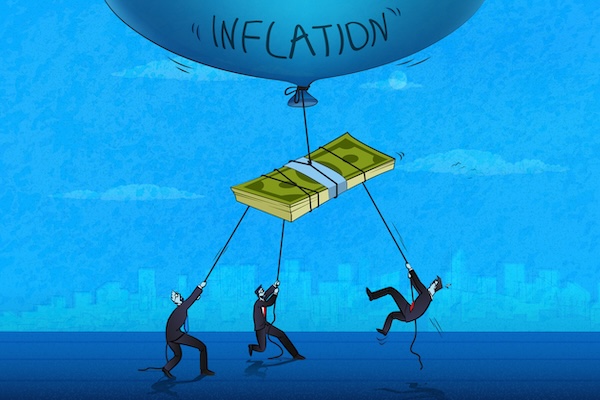
India should continue to base its energy policy on national interest and energy security. Russian oil has helped contain inflation and secure stable energy supplies. The odds of this bill becoming law—and being enforced—appear low. Even if it does, India should continue buying Russian oil, just as China does, rather than allowing external political pressure to determine its energy policy.
More From BasisPoint