.png)


Manoj Rane, who headed treasury at various foreign and domestic banks, was vice chair of FIMMDA and FEDAI. He is now an independent director advising finance firms.
December 6, 2025 at 4:27 AM IST
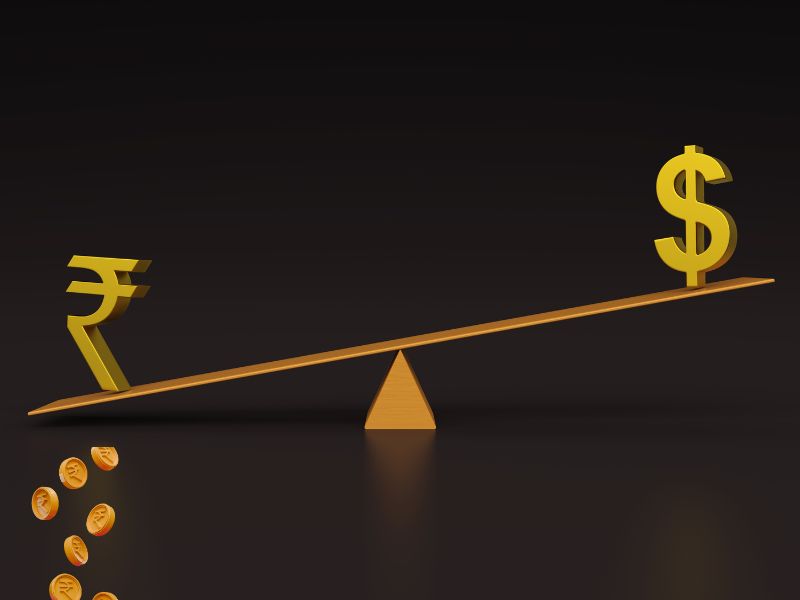
The move of the dollar/rupee into the nervous nineties may make for a neat cricketing metaphor, although the approaching century is unlikely to be a moment of celebration. What it certainly represents is another milestone in a long trend rather than a sudden rupture. The dollar/rupee has, over six years, weakened from 73.80 in late 2019 to above 90 this week. That works out to roughly 22% depreciation, or an annual pace of about 3.7%. This is broadly consistent with interest rate differentials, inflation gaps and India’s current account position. A gradual decline in the rupee is neither unusual nor undesirable, since it cushions exporters and maintains external competitiveness.
The more interesting story lies in the behaviour of the currency over the past year. The pair traded near 84.70 a year ago, implying a sharper fall of about 6.25%, well above the six-year average. Yet from February 2025, when the dollar/rupee was near 87.70, the depreciation has been closer to 2.6%. The path has therefore been uneven, and the volatility more pronounced than in earlier years. That raises questions about what has changed in the macro environment, given that India’s fundamentals have not dramatically worsened.
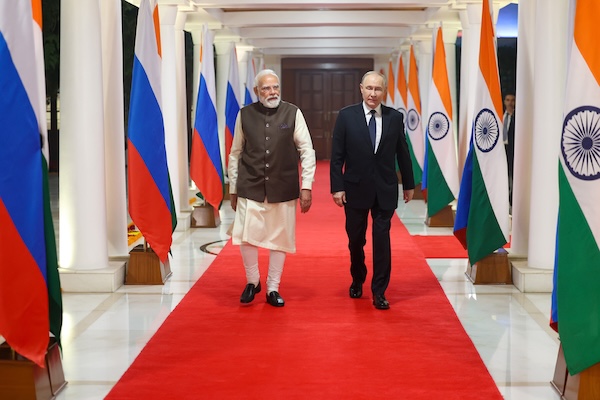
A significant part of the answer lies in trade policy uncertainty. Markets have spent the year adjusting to US President Trump’s swings on tariffs and India’s inability to secure an early resolution. This uncertainty has been amplified by India’s continued proximity to Russia, both politically and through discounted oil purchases, which has complicated negotiations with Washington. The benefits of cheaper Russian crude have largely accrued to refiners since retail fuel prices have remained stable, leaving households with little relief. Whatever the strategic rationale, the economic costs of the standoff are now visible.
Export volatility offers one clear signal. The US is India’s largest export destination, so punitive tariffs have created pressure on realisations. There is recent evidence of strain, with a pronounced fall in exports to the US, and front-loading by exporters earlier in the year has been followed by softer receivables once tariffs took effect. The tariff regime has lingered longer than initially expected, which has fed directly into currency volatility. While global factors such as firm US yields, a strong dollar and higher oil prices have played their part, the policy overhang has been particularly influential in shaping sentiment.
Seen through this lens, the dollar/rupee move past 90 is not a grievous cause for alarm. The broader depreciation remains moderate by historical standards. The volatility and sharper moves in recent months, however, reflect the shifting incentives for exporters and the market’s reassessment of how long the tariff dispute may endure. The currency has become a barometer of policy uncertainty rather than a straightforward reading of fundamentals.
The priority for policymakers is therefore clear. Restoring predictability in the trade relationship with the United States should be addressed without delay, because unresolved tariffs also carry wider economic consequences. They affect exporters, manufacturers and employment in sectors already facing a delicate global environment. If the goal is to reduce volatility in the dollar/rupee and support the broader economy, a durable tariff settlement would achieve far more than any intervention in the foreign exchange market.
More From BasisPoint