.png)


Groupthink is the House View of BasisPoint’s in-house columnists.
December 4, 2025 at 4:30 AM IST
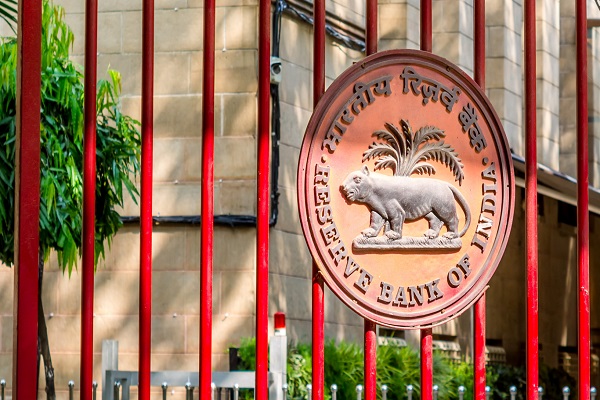
The rupee’s slide past 90 to a dollar has revived a familiar debate inside currency markets. Traders, exporters, importers and banks are all wondering why the Reserve Bank of India has chosen silence, even as volatility has picked up. There is a temptation to think that verbal intervention is a simple tool that can soothe nerves.
The reality is more nuanced.
Communication around the rupee’s value carries a different weight from communication on rates or liquidity. It carries strong signalling effects and can trigger behaviour that the central bank may not intend. In earlier episodes, particularly when speculative pressure from banks drove the move, a combination of oral intervention and tactical dollar sales helped contain expectations. The messaging worked because speculators were leaning too far in one direction, and the RBI had both the incentive and the ability to push back.
This episode is different.
Market participants have been quick to read the RBI’s silence as a gap in communication, but speaking at the wrong time can do more harm than good.
When Governor Sanjay Malhotra recently said that the rupee depreciates by about 3% a year and that nothing unusual was unfolding, he was stating a fact. Yet such comments can serve as fresh ammunition for exporters who may then hold back dollars in anticipation of further depreciation.
Past Governors have often cautioned that failed intervention can do more harm than no intervention. Oral or otherwise.
Most RBI Governors have lived through bouts of rupee weakness and the cycle of headlines proclaiming the currency as the worst performer in Asia. The institution’s approach has evolved into a disciplined habit. The preferred line is that the exchange rate is market-determined and that the RBI intervenes only to contain volatility. The operational details, from timing to instruments to intervention corridors, are kept deliberately opaque.
Tight Rope
Silence can steady markets when macro forces are the dominant driver, and participants have simply misread the flows. But when the central bank’s own actions or positioning in the forwards and spot markets contribute to sharp movements, taking the market into confidence can at times be the safer option.
Foreign investment inflows have slowed. Hopes of a trade deal materialising in November have been dashed. Imports have picked up. Exporters are choosing to delay conversion. These are not speculative attacks that can be neutralised by a single strongly worded comment. Nor are they signs of panic that require the central bank to step into the spotlight.
At the same time, the RBI is likely recognising that it is increasingly impractical to keep the exchange rate contained through forceful action alone. Yet choosing not to signal when it has stepped back carries the risk of fuelling fresh speculative behaviour.
The central bank is navigating a narrow path between acknowledging market reality and avoiding responses that could intensify the pressure.
The choice before the central bank is not about whether to speak or stay silent. It is about when communication adds value and when it magnifies volatility. Does the present moment argue for restraint? The rupee’s slide reflects a combination of flows, sentiment and timing rather than a structural loss of confidence. In such moments, the RBI’s silence is less abdication and more strategy. The institution’s credibility rests not on speaking often, but on speaking only when the message will move the market in the desired direction.
In any case, Governor Malhotra will be asked to say something on the rupee’s fall when he presents the monetary policy review on December 5.
More From BasisPoint