.png)

RBI Cuts Rates, Reading Softness Beneath the 8.2% Shine
RBI cut rates despite 8.2% growth, signalling it sees early softening beneath the headline and is using rare disinflation space to steady momentum and cool yields.
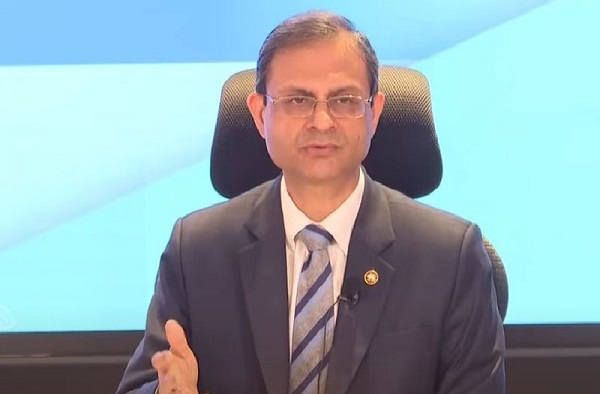
Groupthink is the House View of BasisPoint’s in-house columnists.
December 5, 2025 at 5:17 AM IST
The RBI’s 25-basis-point rate cut to 5.25% was not a contradiction of India’s scorching 8.2% growth. It was an admission that the strength in the headline number was masking early fatigue in the real economy, and that the central bank was unwilling to let the disinflation window pass unused.
Governor Sanjay Malhotra’s message was inflation had given policy room, and growth was not strong enough across the board to justify standing still.
The softening signals were not broad-based, but they were strategically located. Merchandise exports weakened further, services exports lost momentum, and activity in select domestic sectors cooled. Rural demand remained firm and urban consumption was steady, yet the bank hinted that the cycle was beginning to flatten. The 8.2% print, impressive as it was, did not override the more telling directional indicators.
Inflation was the decisive enabling factor.
With headline inflation projected at 2% for 2025-26 and the next year’s early quarters seen around 4%, the RBI argued that disinflation had become durable. Underlying pressures had weakened even further, and falling commodity prices introduced a downward bias. Inflation was no longer the obstacle to accommodation; it was the justification for it. The rate cut today was less about stimulating the economy and more about preventing a loss of momentum when policy space had temporarily opened.
The second objective was equally clear: cooling bond yields that had hardened after the June policy appeared to shut the door on easing. Traders had priced in a tighter liquidity backdrop, and the RBI moved decisively to reverse that drift. The ₹1 trillion in open market operations and the $5-billion-buy-sell swap announced for December sent an unmistakable signal: financial conditions would not be allowed to tighten prematurely. The stance remained neutral, but the tone shifted. The RBI avoided the mistake of signalling finality and instead kept the rate path deliberately open.
This shift came as the global cycle drifted through a narrow goldilocks zone, stable on the surface but carrying sharper risks underneath. Trade tensions, geopolitics, and volatility in artificial-intelligence-linked equity valuations created unpredictable headwinds. Pressure in emerging markets was contained but fragile. Against this backdrop, the RBI opted to insulate domestic conditions rather than assume global calm would persist.
The cut reflected a rare alignment of conditions: slowing momentum, anchored inflation, and bond yields that needed reassurance. The RBI acted before softness broadened out, not after. It chose to reinforce the cycle while it still had room rather than wait for the data to force its hand.
This was not a celebratory policy stance, nor was it a defensive one. It was a recognition that strong growth can still need support when its foundations start to loosen, and that central banks must exploit windows before they close.
More From BasisPoint