.png)

Why Steel Sector Protection Must be Reviewed
The CCI has reportedly found evidence of cartelisation by steel producers, but is yet to issue a final order. Downstream industries though have already paid the price.

Ajay Srivastava, founder of Global Trade Research Initiative, is an ex-Indian Trade Service officer with expertise in WTO and FTA negotiations.
January 8, 2026 at 9:32 AM IST
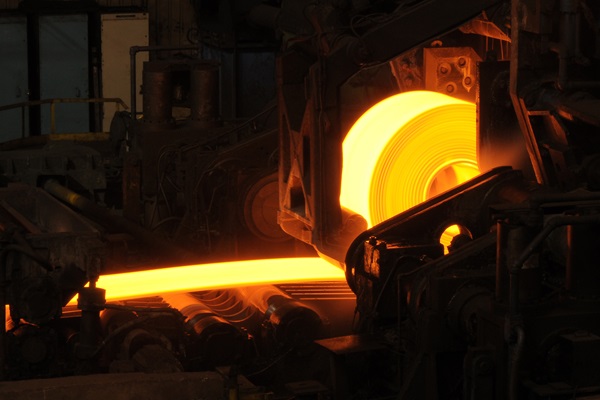
A confidential order issued by India’s Competition Commission of India in October 2025 has found that 28 steel producers and dozens of senior executives coordinated steel sale prices between 2015 and 2023.
This was the period when steel consumption was growing steadily and buyers had limited ability to switch suppliers or delay purchases.
Builders and bulk consumers had complained of synchronised price hikes and managed supply; the CCI has now formally upheld those claims.
GTRI argues the findings expose not only cartel behavior but also the policy environment in which it flourished.
India’s steel industry operates behind one of the densest protection regimes in the economy, shielding dominant producers from import competition and raising steel input costs across manufacturing.
Under India’s competition law, penalties for cartelisation can reach three times profits or 10% of annual turnover for each year of violation, though the final outcome is pending.
For downstream industries, however, the cost has already been paid. Nearly a decade of elevated steel prices has compressed margins, delayed capacity expansion and weakened competitiveness in construction, engineering goods, auto components and capital equipment.
Steel typically accounts for 15–70% of input costs in these sectors. MSME manufacturers say that even modest price increases translate into lost orders, lower utilisation and reduced hiring. Over time, this has weighed on employment-intensive manufacturing and eroded export competitiveness, especially in price-sensitive global markets.
Despite these downstream effects, India’s steel sector remains among the most protected parts of the economy. Imports face layered barriers, including basic customs duties, safeguard duties, Quality Control Orders, licensing hurdles and continuous monitoring under the Steel Import Monitoring System.
In 2024, the government imposed a fresh three-year safeguard duty of 12% on flat steel, despite years of record profitability at large mills. The justification of an import “flood” is weak: imports account for less than 8% of India’s steel consumption and largely consist of specialised grades not produced domestically.
QCOs have further tightened supply. Their rapid rollout and uneven certification have turned them into de facto non-tariff barriers, hitting MSMEs hardest. Fabricators, traders and job workers—who do not manufacture steel—are forced to source only from a narrow set of approved suppliers. Estimate suggests QCO-related compliance and sourcing constraints have raised steel costs by 8–10% across downstream value chains.
Market concentration compounds the problem. In stainless steel flat products, a single dominant producer controls over 60% of domestic output while also importing large volumes of semi-finished slabs. This structure supports a high-margin model: import slabs, finish them locally and sell at protected domestic prices—while lobbying for tighter import restrictions in the name of self-reliance.
The CCI’s findings should prompt a high-level government review of how the steel sector is regulated.
Policymakers need to assess whether steel policy has accumulated “regulatory cholesterol” that now harms national competitiveness.
The focus should shift from protection to encouraging new entrants, building domestic capacity in specialised alloy steel, upgrading public-sector mills, and making imports transparent and predictable—so competition, not cartelisation, disciplines prices.
More From BasisPoint