.png)


May 15, 2026 at 1:55 AM IST
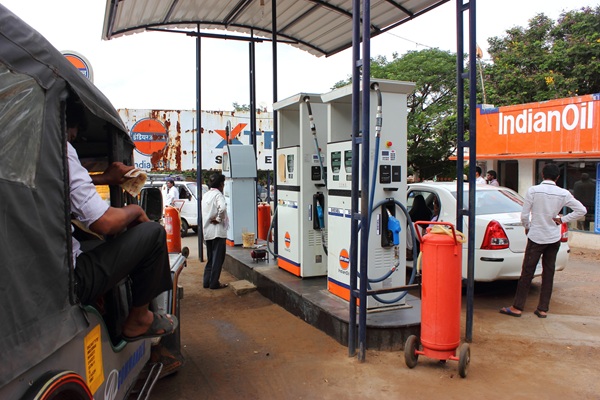
India on Friday raised retail prices of petrol and diesel by ₹3 per litre each, marking the first nationwide fuel price increase in over four years as state-run oil marketing companies moved to pass on part of the recent rise in global crude oil prices to consumers, according to a Press Trust of India report.
The revision comes amid continuing volatility in international energy markets following disruptions linked to the Iran conflict and concerns over shipments through the Strait of Hormuz, a key global oil transit route.
In Delhi, petrol prices increased to ₹97.77 per litre from ₹94.77 earlier, while diesel prices rose to ₹90.67 per litre from ₹87.67, PTI reported, citing revised retail price data. Similar revisions were announced across major metropolitan centres.
In Mumbai, petrol is now priced at ₹106.68 per litre and diesel at ₹93.14 per litre. Kolkata saw petrol prices rise to ₹108.74 per litre and diesel to ₹95.13 per litre. In Chennai, petrol now costs ₹103.67 per litre while diesel has climbed to ₹95.25 per litre, according to the PTI report.
Government officials maintained that there is no immediate concern over fuel availability in the country.
The Centre has repeatedly stated that India has sufficient inventories of petrol, diesel and LPG, and there is no proposal to introduce fuel rationing despite the uncertain external environment.
Earlier this week, Oil Minister said India currently holds fuel inventories equivalent to around 60 days of consumption, while LPG stocks are estimated to cover nearly 45 days of demand. The government has also highlighted that supply chains continue to remain operational despite disruptions affecting some global shipping routes.
The increase in retail fuel prices is expected to have a broader impact on transportation and logistics costs, with analysts indicating that higher diesel prices in particular could feed into inflationary pressures if global crude prices remain elevated for a prolonged period.
More From BasisPoint