.png)

August 13, 2026 at 3:12 AM IST
The official Consumer Price Index release offers an apparently reassuring headline. Retail inflation was 4.45% in July, barely above 4.38% in June. The composition and the path ahead, however, make the number less comforting than its stability suggests.
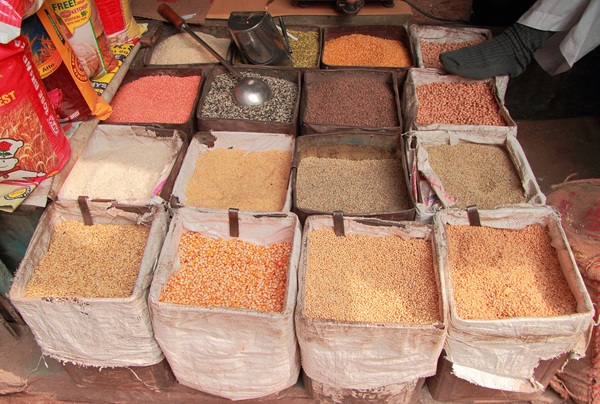
Food inflation rose to 5.52% from 5.32%, while rural inflation at 4.84% remained well above the urban rate of 3.96%. Food and beverages inflation was 5.24%, transport inflation 4.43%, and restaurant and accommodation services 7.72%. July did not produce a fresh shock, but neither did it show that the pressures which emerged in June were retreating.
The benign core reading also needs qualification. QuantEco Research estimates core inflation at 3.9% for a third consecutive month and inflation excluding precious metals at only 2.6%. Yet this calm partly reflects the year-on-year statistical benefit of the goods and services tax rate reduction in September 2025, which will last only through August, and the recent correction in gold and silver prices.
Below that surface, price transmission is becoming visible. Higher costs are appearing in consumer durables, everyday goods such as biscuits, detergents and soaps, and travel and hospitality services. The official data are consistent with this pattern: the cost of operating personal transport equipment rose 7.36%, transport services for goods 7.77%, and food and beverage serving services 7.75%.
The near-term risks are also unusually concentrated. The south-west monsoon was 12% below normal as of 12 August, while kharif sowing was 1.8% lower than a year earlier as of 7 August. Crude oil averaged about $89 a barrel so far in August, against $84-85 in June and July, while a weaker rupee raises the risk of gradual imported inflation. Cost pass-through typically takes about two quarters to peak.
The Reserve Bank of India’s baseline already projects inflation averaging 5.0% in 2026-27, rising from 4.7% in the July-September quarter to 5.9% in October-December before easing to 5.5% in January-March. Forecasts are not certainties, but the projected path is a reminder that July’s calm is unlikely to endure.
The Monetary Policy Committee must guard against these impulses spreading into services, wages, and household expectations, particularly when the existing disinflationary supports are temporary.
Policy should be guided by the inflation trajectory beyond August and by a credible route back to the 4% target.
The government should meanwhile prepare targeted supply measures for food and fuel. Timely buffer releases, import decisions where necessary, smoother movement of perishables and calibrated fuel taxation can limit the first-round shock, leaving monetary policy to contain the second round.
July inflation is steady only in the narrowest statistical sense. The exceptionally benign inflation of 2025-26 has ended, while the full cost of the new shocks has not yet arrived. Policy should be set for that transition.
More From BasisPoint