.png)

Indonesia’s Resource Nationalism: Is India Ready with a Plan?
Indonesia’s push towards resource nationalism could reshape global commodity trade. With India reliant on Indonesian palm oil, coal, and nickel, is New Delhi prepared to secure supplies and manage emerging risks?

Chandrashekhar is an economist, journalist and policy commentator renowned for his expertise in agriculture, commodity markets and economic policy.
June 9, 2026 at 3:41 AM IST
We live in what I call the ‘disruptive decade’ characterized first by the Covid-19 pandemic and then a series of wars on multiple fronts. Apart from damage inflicted by military action and resultant uncertainty on economic, social and political fronts, Sanctions, Protectionism and disruption of established supply chains have become the norm of the times.
Corporations are learning to survive in this new world order. They are all the time attempting to reinvent themselves to stay resilient and afloat. Governments are no exception.
Countries are now beginning to stockpile critical resources – often, commodities – that they need to import. The policy of stockpiling is generally insensitive to market prices. The European Union is a good example. The EU is keen to secure materials for green tech and defense.
Some countries are endowed with natural resources (energy, agri or mineral resources, for example) that are in demand but not widely available around the world. This creates an opportunity to leverage the strength and maximize the market value of the resources. No wonder, countries are now beginning to practice what’s called ‘resource nationalism’.
We all remember how China is leveraging its dominance to control export of critical minerals, rare earths and magnets that are so essential for a wide variety of applications including aerospace, defense, electric mobility and so on.
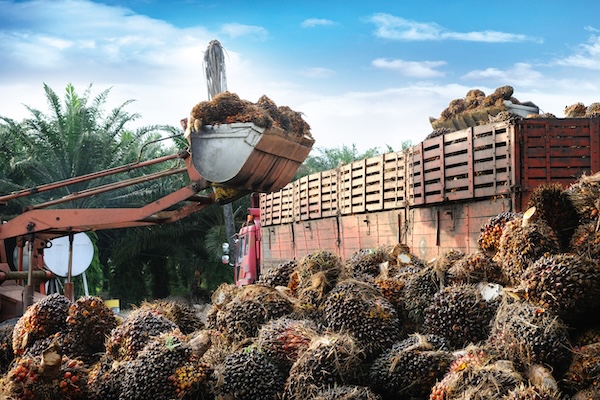
The latest to join the bandwagon is Indonesia, a country rich in diverse resources like palm oil, timber, coal and nickel. Last month, the government issued a regulation that seeks to bring exports of its strategic commodities under centralized control. In a May 20 regulation signed by the Indonesian President, the government will mandate that export of palm oil, coal and ferroalloys will be conducted through a state-owned enterprise. The regulation has come into effect from June 1.
The regulation may later extend to more commodities of strategic importance and by this year-end, all commodity exports would be channeled through the state body.
It is recognized, generally, state enterprises, by their very nature, are less efficient than their private sector counterparts in terms of sensitivity to market dynamics, quickness of decision-making and execution. Bureaucratic procedures including clearances often make state enterprises operationally less dynamic.
The success of the Indonesian policy experiment will therefore depend on how empowered the state enterprises are to take timely decisions and the domain expertise of officials. There is risk, in the initial stage, policy implementation may face teething troubles.
At the same time, it sends out a loud and clear message to the world that Indonesian trade policies are less predictable than they used to be. The world may gradually get used to resource nationalism of countries as the Indonesian policy may have a ‘demonstration effect’ on some others.
India is a large importer of several commodities from Indonesia, mainly palm oil, coal, timber and nickel and faces a $12 Billion goods trade deficit. While it devolves on the Indian government to find ways to reduce the goods trade deficit (for example, agri export provides opportunities), it is equally important to engage with the Indonesian government to ensure that supplies to our country continue uninterrupted. India must use its ‘import power’ to secure favourable trade terms in a way our domestic needs are not compromised.
The key question is whether India is ready with a strategic response or an effective alternative plan.
More From BasisPoint