.png)

Hormuz Reset Redraws Power Lines in West Asia
A fragile US-Iran ceasefire signals a shift in Gulf power dynamics, currency flows, and strategic alignments, with implications far beyond oil markets

Rajesh Ramachandran is a former Editor-in-Chief of The Tribune group of newspapers and Outlook magazine.
April 8, 2026 at 9:06 AM IST
The Sensex and the Nifty are soaring, energy-starved nations are heaving a huge sigh of relief, and the world order is getting reshaped. The US-Iran ceasefire for two weeks, if it holds, would mark the beginning of the end of the Anglo-Saxon hegemony over West Asia, which began 100 years ago after the fall of the Ottoman Empire. If X posts on China nudging Iran into accepting the ceasefire are true, a new petroyuan era is being heralded.
The first outcome of the US-Isreal combine’s war against Iran is the acceptance of the latter’s national leadership. All along, the US and its commentators were referring to it as a rogue regime, not as a legitimate government of a sovereign nation. In a big turnaround, the White House statement signed by Trump and put out Tuesday night accepts the Iranian government’s legitimacy and the nation’s sovereignty: “We received a 10-point proposal from Iran and believe it is a workable basis on which to negotiate. Almost all of the various points of past contention have been agreed to between the United States and Iran, but a two-week period will allow the agreement to be finalised and consummated.”
This is no victory or a desirable conclusion of operations for the US, because this ceasefire is akin to the imaginary scenario of George Bush negotiating with Saddam Hussein’s chosen successors after the US failed to land troops in Iraq. The US blueprint for the Iran war was obviously the occupation and takeover of Iraq’s oil reserves. Trump failed miserably in getting boots on the ground as Iran turned the US aggression into a regional war, bombing the American bases in the GCC countries and closing the Strait of Hormuz. Now, the US is negotiating to open the sea routes, which were free before Trump bombed Iran.
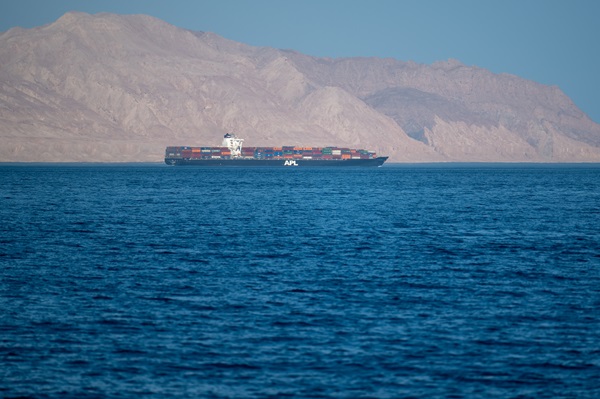
The ceasefire is a de facto acceptance of Iran’s control over the Strait of Hormuz. If Iran has already imposed a toll on Western vessels in Chinese yuan, as is being speculated, it would mean that petroyuan is replacing petrodollar, at least, in one major oil-selling nation. Iran, in fact, has already begun using the Chinese currency to sell oil. Even if the chokehold on Hormuz gets relieved as part of the ceasefire talks, Iran’s historic rights over the strait have been established as a principle, with the US agreeing to sit across the table and discuss the issue, after threatening to bomb that ancient civilisation into the Stone Age.
Sure, this could be termed an off-ramp for Trump. For an ill-thought-out, miserably executed and morally reprehensible misadventure that backfired badly, this was the only way out ––– retreat. The people of Iran, on the other hand, suffered immensely but without turning against their government or the armed forces, proving the Western narrative about an oppressive regime wrong. Whether Iran was helped behind the scenes by China and Russia will be known only in the course of time, if at all.
Regional Realignment
Israel is still pounding Lebanon, but it will have to back off from its plans to control the region as the US outpost in the Gulf. After all, the reputation of its famed “iron dome” and its all-knowing intelligence agencies is in tatters. Mossad didn’t know Iran’s capabilities to close the Strait of Hormuz, nor did it have a plan to open it for Western oil traffic. Now, it will have to lick its wounds and let Iran assume a much larger role than it had prior to the war. The statement on a possible “nuclear catastrophe” by the Russian foreign ministry in the context of the Israeli attack on the Bushehr nuclear power plant is the starting point for the winding down of the war. Again, proving Israeli calculations wrong.
If the use of radioactive weapons or the leakage of radiation from the nuclear plant was ever a part of the Israeli plan, then less said the better.
Saudi Arabia, the largest GCC nation, the world’s biggest oil exporter and the richest country in the region, would have to recalibrate its dependence on US hardware and military adventurism to remain peaceful and prosperous. It was at the receiving end of Iran’s game plan to turn the war into a global oil crisis by attacking US allies, bases and resources. US hardware not only failed to protect Saudi assets but turned them into an Iranian target. So, is the case with the UAE, one of the world’s biggest trading hubs. The war busted the image of the GCC nations as a safe destination for investment.
In this war without winners, Pakistan is the biggest gainer. But then this gain is only because it is the most trusted US ally among Islamic nations ––– rather an instrument ––– in its attempt to desperately find an exit route out of a dangerous cul-de-sac. Trump naming the Pak Army chief and its Prime Minister in the same breath as the chief interlocutors underlines their usefulness in his attempt to reach out to the Iranians. With the talks between Iran and the US set to begin on Friday in Islamabad, Pakistan, the stock has obviously gone up in the Western world.
In a fortnight, India would be marking the memory of the Pahalgam massacre. In one year, after the Pahalgam terror attack and the retaliatory Operation Sindoor against terror training centres deep inside Pakistan, the latter has grown close to the US as a consequential ally. The US is now a security guarantor for Pakistan, as it was in the Seventies. This is a reality that India has to accept and to contend with.
At least in the context of the Gulf crisis, India, with its nine million expatriate population and energy dependency, has a lot to gain. And it really does not matter who the interlocutor is. All that matters is peace; that Trump doesn’t outdo himself; that Israelis do not attempt mischief. This war has yet again taught the world a sad lesson ––– the bully only understands the language of violence.
More From BasisPoint