.png)

Disengaging with Iran Only Sensible Way Out
US secondary tariffs put India–Iran trade in a bind, forcing New Delhi to weigh strategic ties against far larger economic exposure to the US market.
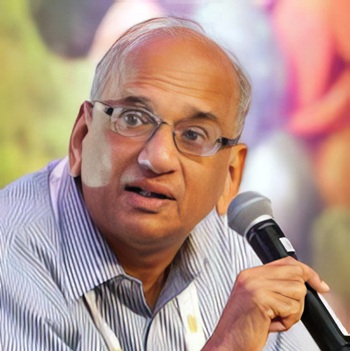
Chandrashekhar is an economist, journalist and policy commentator renowned for his expertise in agriculture, commodity markets and economic policy.
January 14, 2026 at 7:33 AM IST
“In international relations, there are no permanent friends or permanent enemies, only permanent interests”, goes an old saying.
It is less than a fortnight into the new year, and a new dilemma has been forced on India by US President Trump when he announced on January 12 a ‘final and conclusive’ order to impose 25% punitive tariff on all business done with the US by any country that continues to trade with Iran. This ‘secondary tariff’ aims to force countries not to trade with Iran in the wake of crackdown on domestic protests and its nuclear programme.
This has placed India-Iran bilateral trade in an awkward position. If India defies the US diktat and continues to trade with Iran, the consequences could be disastrous. Already Indian goods face a 50% tariff consisting of 25% reciprocal tariff and 25% penalty for continuing to buy Russian oil. The Iran link will bring total tariff imposed by the US to 75%, something India can ill-afford.
Look at the bilateral trade numbers. India’s trade with the US is about $130 billion. India enjoys a $ 45 billion goods trade surplus. Already there are reports of slowing exports of Indian goods, especially labour-intensive items like textiles, seafood, gems and jewellery to the US.
On the other hand, although Iran has been our traditional trading partner, the value of bilateral trade is not significant. It has actually fallen in last two years. The fiscal year 2024-25 saw de-growth to $ 1.7 billion from the preceding year. Key items of Indian export include Basmati rice, tea and pharmaceutical products.
India must decide if maintaining the Iran link is worth risking its much larger export market the US. Although the latest development appears to pose a dilemma for India, New Delhi must be practical enough not to rub the much bigger trading partner the US and commit hara-kiri. This should not be seen as India’s weakness or bowing before Trump. Rather it is that India must safeguard its larger economic interest.
This is where India’s diplomacy has a critical role to play. India must go out of the way to explain and convince Tehran of the cleft-stick it finds itself in. The only way to extricate is by disengaging with Iran, at least for the time being. If explained correctly, Iran on its part would surely understand India’s precarious position.
Trump’s tariff threat if not heeded can result in other collateral damage for India. Chabahar port in Iran is India’s strategic gateway to Central Asia, bypassing Pakistan. If US-Iran tensions escalate and threat of military action materialises, it will create a high-risk environment. The US ‘waiver’ will then go for a toss.
Additionally, the International North South Transport Corridor is meant to link India to Russia via Iran. This too will face logistical and insurance hurdles. Shipping companies would avoid Iranian ports for fear of US penalties.
When you look at all of this, only one safe conclusion remains — disengage with Iran, albeit for the time being; but use all diplomatic charm to explain India’s dilemma.
More From BasisPoint