The Reserve Bank of India is expected to leave the repo rate unchanged at 5.25% in its monetary policy review on Friday, extending the pause that has been in place since December. While inflation remains below the central bank's 4% target, rising crude oil prices, rupee depreciation and weather-related risks have shifted the attention from the immediate policy decision to the future direction of interest rates.
|
Media Organisation
|
Rate Poll
|
|
Bloomberg
|
Unchanged
|
|
Reuters
|
Unchanged
|
|
Mint
|
Unchanged
|
|
Economic Times
|
Unchanged
|
|
Financial Express
|
Unchanged
|
|
Business Standard
|
Unchanged
|
|
TickerNews
|
Unchanged
|
|
Informist
|
Unchanged
|
|
Moneycontrol
|
Unchanged
|
All media polls forecast the Monetary Policy Committee to maintain status quo this week. Expectations of a prolonged pause have, however, weakened in recent weeks as higher energy prices and imported inflation risks raise the possibility of policy tightening later in 2026-27. The debate has increasingly shifted from whether rates should remain unchanged in June, to whether the next move could be a hike.
The RBI has reduced the repo rate by a cumulative 125 basis points since February 2025, with the last cut delivered in December. Since then, policymakers have preferred to assess the impact of previous easing measures while monitoring developments in global commodity markets and financial conditions.
Inflation Outlook
Inflation remains within the RBI's target band, with consumer price inflation at 3.48% in April. However, risks to the inflation outlook have increased since the previous policy review.
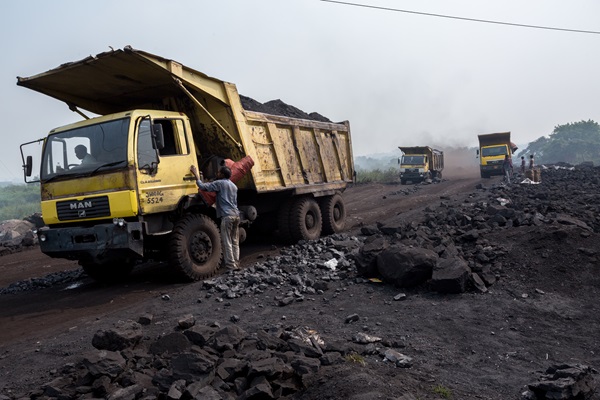
Brent crude oil prices remain around $100 per barrel and are around 30% higher than levels prevailing before the escalation of tensions in West Asia. Fuel price increases announced since mid-May are expected to gradually feed through to transportation, freight and logistics costs, raising the risk of broader price pressures.
The RBI had projected 2026-27 inflation at 4.6% based on assumptions of significantly lower crude oil prices. With oil prices remaining elevated and the rupee weakening, market participants expect the central bank to acknowledge the increasing upside risks to inflation.
Weather conditions have also emerged as a concern. The India Meteorological Department has lowered its southwest monsoon forecast to 90% of the long-period average and indicated a high probability of below-normal rainfall. The possibility of El Niño conditions developing during the monsoon season has raised concerns about food prices, reservoir levels and agricultural output.
Together, higher energy costs and monsoon-related risks have increased the likelihood that inflation could move higher over the coming quarters, even if current readings remain contained.
Growth Forecast
The growth outlook remains more uncertain than the inflation outlook.
The RBI currently projects 2026-27 GDP growth at 6.5%. Elevated oil prices, tighter financial conditions and weaker global demand could weigh on economic activity through higher input costs and reduced household purchasing power.
At the same time, the full economic impact of geopolitical developments remains difficult to quantify. The persistence of elevated energy prices could affect both consumption and investment decisions, while external demand conditions may remain challenging if global growth slows.
The central bank is, therefore, likely to retain a cautious assessment of growth conditions. While significant revisions to growth forecasts may not be necessary at this stage, the balance of risks has become less favourable than when projections were released earlier in the year.
Response to Rupee Depreciation
The rupee has weakened by around 6% against the US dollar in 2026, increasing concerns about imported inflation and capital outflows.
Despite the currency's decline, the MPC is unlikely to use policy rates primarily as a tool to support the exchange rate. Historically, the RBI has preferred a combination of foreign exchange intervention, liquidity management and regulatory measures to address excessive currency volatility.
Recent liquidity operations suggest the central bank remains focused on maintaining orderly market conditions while preventing unnecessary tightening in domestic funding markets. Additional measures could include liquidity injections through repo operations and foreign exchange swaps if required.
Market participants also expect the RBI to explore measures aimed at improving foreign currency inflows and reducing pressure on the balance of payments. Such steps may include facilitating external borrowing, encouraging foreign deposits and improving access for overseas investors.
For now, the policy focus remains on balancing inflation risks against growth concerns. While a rate hike is unlikely this week, elevated oil prices, a weaker rupee and emerging inflation pressures have increased the probability that the next move in the policy cycle could be towards tightening, rather than easing.
.png)