.png)

Venkatakrishnan Srinivasan is a bond market veteran. He is the founder and managing partner of Rockfort Fincap LLP.
May 12, 2026 at 3:48 AM IST
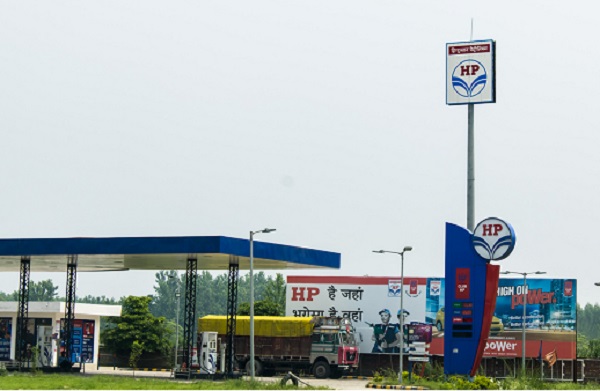
India’s bond market is currently focused on geopolitical risks, elevated crude oil prices and volatile government bond yields, though another important pressure point may soon emerge within domestic debt markets. Oil Marketing Companies, already facing growing working capital stress amid rising crude prices, could become some of the largest borrowers in the bond and money markets over the coming months.
That possibility matters for liquidity conditions, money market rates and the broader interest rate environment.
India’s fuel pricing framework has historically attempted to balance political sensitivities, inflation management and fiscal considerations. During periods of sharp global crude oil increases, the burden is often distributed across multiple channels, including delayed retail fuel price adjustments and excise duty changes.
Geopolitical tensions involving Iran, Israel and the broader West Asian region continue to keep crude markets nervous, sustaining upward pressure on oil prices and shipping costs. For India, this creates immediate financial strain across the energy value chain.
Although the Government has attempted to cushion consumers from a full pass-through of global crude price increases, pressure within the system is already becoming visible. LPG prices have witnessed revisions, while petrol and diesel pricing adjustments remain politically sensitive.
If retail fuel prices are not revised adequately, OMCs may continue facing pressure on profitability, cash flows and working capital requirements. Unless the Government provides direct compensation for under-recoveries, these companies may increasingly need to rely on market borrowings to bridge funding gaps.
Given the scale of India’s fuel consumption and inventory financing needs, OMCs may aggressively tap both the bond and Commercial Paper markets in the coming months. That could become an important fixed-income theme for 2026-27.
Unlike conventional corporate borrowings, OMC funding requirements tend to be large, recurring and concentrated at the shorter end of the curve. That creates a direct transmission channel into money market liquidity because mutual funds, banks and treasury desks often absorb substantial portions of such issuances.
Also Read:
Yield Volatility Slows Bond Issuances, But Themes for 2026-27 Are Emerging
Large-scale short-term borrowings by OMCs would increase money market supply at a time when investors are already cautious on duration. If borrowing pipelines expand sharply, money market rates could begin hardening even without any formal monetary tightening.
Higher OMC borrowings could eventually feed into broader bond yields, particularly if investors begin pricing in sustained fiscal and liquidity consequences from elevated crude prices. Any sustained tightening in money market conditions could also eventually require liquidity management responses from the RBI if funding pressures begin transmitting into broader financial conditions.
The Government itself faces a difficult balancing act. Allowing full retail fuel price pass-through could aggravate inflation and cost-of-living pressures. Compensating OMCs directly, however, risks widening the fiscal deficit and potentially increasing sovereign borrowing requirements.
Crude oil is now influencing inflation, government finances, liquidity conditions and bond market pricing simultaneously.
India’s bond market has historically viewed crude oil through the lens of inflation and the Current Account Deficit. The next phase of market stress, however, may increasingly emerge through the funding requirements of the energy sector itself.
If Oil Marketing Companies become large-scale borrowers amid already volatile market conditions, crude oil may begin influencing not just inflation expectations, but also the pricing and liquidity conditions of India’s short-term debt markets.
More From BasisPoint