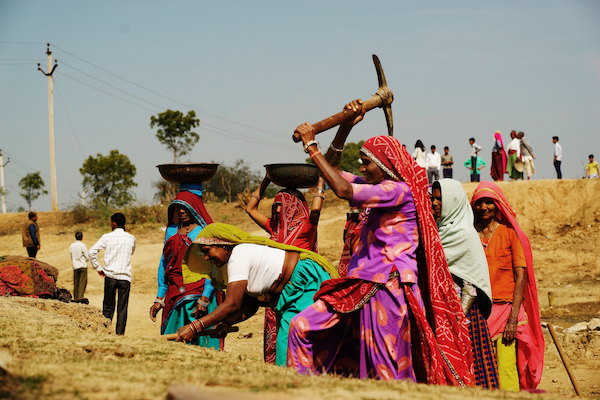
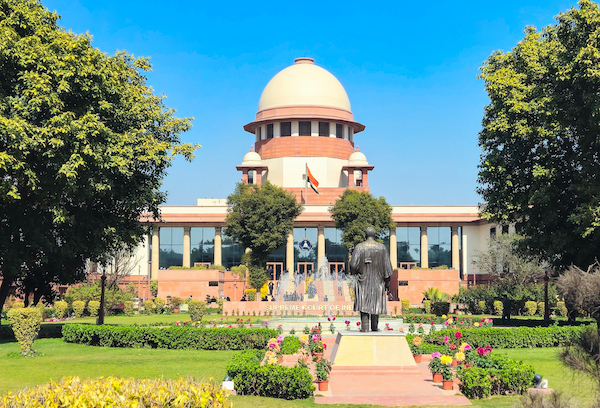
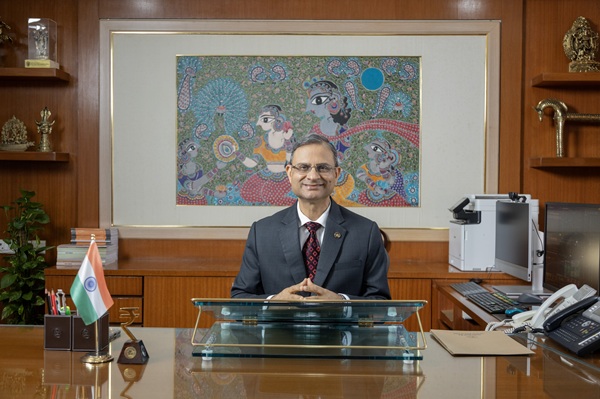
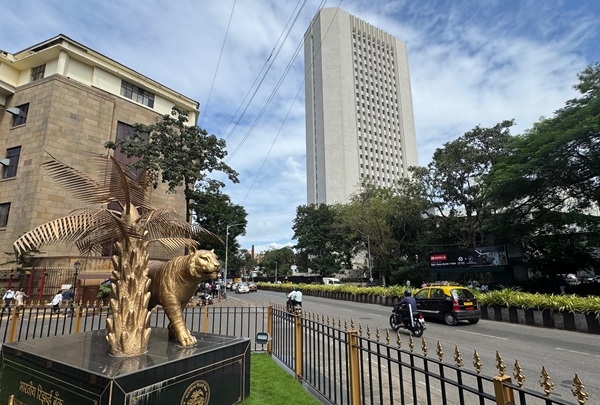
The historic Mahatma Gandhi National Rural Employment Guarantee Act is slated to end with the notification for its repeal issued on May 11. From July 1, the Viksit Bharat – Guarantee for Rozgar and Ajeevika Mission (Gramin) will be rolled out to replace MGNREGA, a critical safety net for workers for over two decades. With this, the central government’s responsibility to vulnerable rural workers — of providing at least 100 days of guaranteed wage employment every financial year — changes significantly.
VB-GRAM-G effectively replaces a demand-driven scheme with a fixed budget. According to the government, a demand-based model causes ‘unpredictable allocations’ and ‘mismatched budgeting’, hence normative allocation from the central government to the states is preferable.
Under MGNREGA, any worker seeking livelihood during times of need had the option to approach the authorities for work under identified projects and could not be refused. MGNREGA thus acted as a critical backstop in distress periods, with demand surging during the crisis years of 2009-2010 and Covid in 2020-2022.
In other years, demand for MGNREGA work remained steady at 2.0-2.5 billion person-days annually. In fact, despite the government’s assurance regarding significant decline in poverty and evolution in the structure of rural India, the years since the pandemic reveal continued high demand for MGNREGA support, crossing 3 billion person-days in 2023-24. With almost 110 million active workers, roughly one in six of India’s workforce depended upon the MGNREGA scheme from time to time, underscoring the gap in creating jobs at scale.
Funds expended on the scheme too remained elevated. The budget for 2024-25 allocated ₹860 billion to the scheme, the highest ever since its inception. In previous years, the central government invariably ended up spending much more than the budget allocations, as it was legally bound to provide work on demand.
Despite great progress in administrative procedures, digitalisation and increased transparency, MGNREGA continued to suffer from various flaws. The average days of work availed per household stayed at less than half of the requisite 100 days for most years. Misappropriation of funds, delays in transferring wages, padded muster rolls, and missing projects reduced trust in the programme. The norms for Aadhaar based e-KYC in October 2025 led to workers being unable to comply within the short time given and being locked out of the system.
Concerns have similarly been raised on several key provisions of the new act. While the number of days of work to be offered has been raised from 100 to 125, the programme is to be halted during the sowing and harvesting season for 60 days during the year, to be determined by individual states. This means that during this period, workers will not be able to supplement their income through the programme.
Moreover, the new financial framework shifts the cost-sharing ratio between the central government and state government from 90:10 to 60:40, with northeast and hill states in the ratio of 90:10. Under MGNREGA, the central government covered all of the unskilled labour cost and 75% of other project costs as well as 6% of administrative costs. Under the new provisions, in case a state is unable to provide its share of funds, it will not be able to run the programme, depriving its workers of the buffer income. It is to be noted that spending by states through MGNREGA was widely divergent, with some states consistently topping the list while poorer states with large populations often lagged behind due to various reasons such as administrative gaps, poverty and digital illiteracy.
The use of digital technology and alignment of projects identified by village councils with the PM Gati Shakti infrastructure plan will also pose challenges and restrict the decision-making space available at the local level.
The repeal of MGNREGA may have been necessary with structural changes in the rural economy, but the shift should not add to worker distress at a time when economic crises regularly crop up. The transition to the new VB-GRAM-G could raise hardship for workers already beleaguered by rising prices and lack of employment in rural areas. The forecast for the monsoon this year — 92% of long period average — will also place downward pressure on rural incomes.
VB-GRAM-G’s success will therefore depend on careful implementation from July 1. It must be transparent, clear and well calibrated to avoid MGNREGA’s legacy problems while maintaining its spirit of livelihood security for hundreds of millions of India’s rural poor.
.png)