.png)


Krishnadevan is Editorial Director at BasisPoint Insight. He has worked in the equity markets, and been a journalist at ET, AFX News, Reuters TV and Cogencis.
September 4, 2026 at 11:34 AM IST
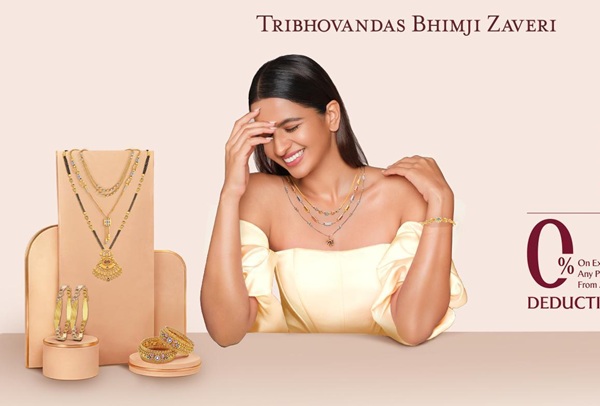
The acquisition of a storied jeweller with history, brand recall and a national presence by a regional retailer can look like the expansion plan of an aggressive buyer. GRT Jewellers has agreed to acquire the Zaveri family’s 74.12% stake in Tribhovandas Bhimji Zaveri for up to ₹10.34 billion, securing control of the listed 162-year-old brand and its 37-store network.
It may also reflect something less triumphant. A family enterprise may reach a point when the business becomes more capital-hungry, more demanding and less forgiving than the model that built its reputation.
That does not mean TBZ was distressed, or that the Zaveri family had run out of options. They do show that the promoters are selling their entire 74.12% holding and surrendering control. TBZ had hinted to tighter times in its annual report stating higher raw-material costs, heavy working-capital needs and changing consumer preferences are putting pressure on profitability and capital efficiency.
The business has changed faster than the traditional jeweller’s model. A jewellery store needs physical depth in its display cases. Customers do not buy bridal jewellery from a sparse counter. Yet when gold prices rise, the number of grams required to make a showroom look credible does not fall nearly as fast as the rupee value of those grams rises.
For perspective, a jeweller carrying 100 kg of gold-equivalent inventory needs about ₹1 billion more capital for every ₹10,000 increase in the gold price per 10 grams. The grams remain unchanged. The funding requirement does.
That burden would be manageable if customers simply paid more for the same ornaments. But that’s not happening. TBZ said high gold prices have affected affordability for value-conscious customers, prompting some to defer discretionary purchases or shift towards gold coins and exchange-traded funds.
TBZ also acknowledged consumer preferences moving towards “lightweight, design-led and branded jewellery offerings”, while lab-grown diamonds were gaining wider acceptance among younger buyers.
A customer who replaces a heavy wedding necklace with a lighter design reduces the gold content of the sale. A customer who buys a coin or an ETF retains exposure to gold, but does not necessarily support the jeweller’s design margin, store productivity or return on inventory. The retailer must earn more from each gram and make that gram turn faster.
The business is shifting from selling the most gold to making each gram earn faster.
GRT calls the acquisition a route to a “meaningful Pan-India presence”. With 68 Indian stores, one in Singapore and roughly 650,000 square feet of retail space, it is acquiring TBZ’s 37 stores, Mumbai-rooted brand, manufacturing base and customer trust in one move.
The transaction gives GRT a live test of whether a larger operating platform can improve TBZ’s economics. Scale does not automatically produce cheaper funding, better buying terms or faster inventory turns. The documents do not establish any of those advantages. But a larger network can potentially spread fixed costs, widen product choice and make each rupee tied up in gold work harder.
That possibility, not a presumed rescue, is the investment case.
The bullish counterargument though has merit. Gold remains a core store of household wealth in India. Weddings and festivals continue to support jewellery demand. Branded jewellers may gain share as consumers move towards formal retailers, lighter products and contemporary categories.
But TBZ’s sale shows that the adjustment carries a cost. GRT will buy 49.46 million shares, representing 74.12% of TBZ, at up to ₹209 a share. It must also make an open offer at ₹249.61 a share for TBZ’s 25.88% public shareholding. Completion requires approval from the Competition Commission of India and TBZ’s identified lenders
The gap between the promoter price and the open-offer price is a reflection of deal mechanics, not a discount by distressed promoters. The open-offer price follows SEBI’s statutory formula for public shareholders. The promoter-block price reflects negotiated terms, including conditions precedent, warranties and a price that may move down after audit but cannot move up.
Still, an entire family exit is not a routine event. It can reflect succession, strategy, fatigue, opportunity or a pragmatic recognition that the next phase of the business requires a different operating engine. The filings do not disclose which motive carried the most weight.
They do disclose the commercial context. TBZ has to carry more costly raw material, respond to more selective customers and refresh its merchandise in a market that no longer rewards weight alone. GRT gets an established brand and a ready-made retail platform. TBZ gets a larger owner for a tougher next chapter.
Investors should resist treating organised jewellery as a simple consumer-growth story. The litmus test is whether a chain can earn more margin and cash from every gram it carries, while keeping inventory moving and customer demand intact.
(This column reflects the author's personal views and is based on publicly available information. It is intended for general commentary and analytical purposes only and should not be construed as investment advice.)
More From BasisPoint