.png)


Krishnadevan is Editorial Director at BasisPoint Insight. He has worked in the equity markets, and been a journalist at ET, AFX News, Reuters TV and Cogencis.
January 28, 2026 at 4:16 AM IST
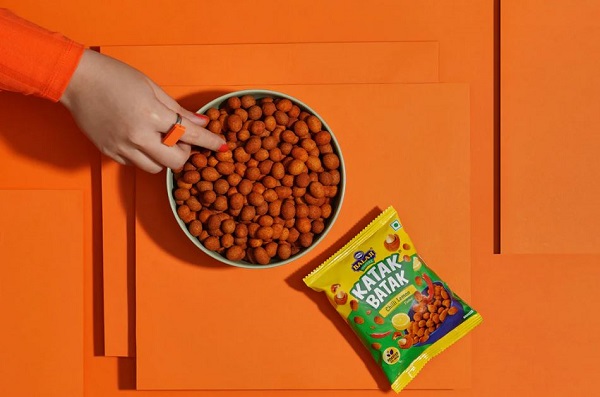
When General Atlantic wrote a ₹25 billion cheque for a 7% stake in Balaji Wafers this month, it was not just buying into India's third-largest salty snack brand. It was backing a business model where profits and public health move in opposite directions.
On the spreadsheet, the story is compelling. Balaji clocked about ₹65 billion in revenue and nearly ₹10 billion in net profit in 2024-2025, with strong margins built on thin wafers, fried namkeen and bhujia. The company dominates its core markets with roughly two-thirds share in the organised salty snacks segment, despite spending barely 4% of revenue on advertising, whereas the industry norm is 8–12%. Balaji already runs four plants and plans to double capacity as it chases national scale. For a growth-focused global investor, this looks like a textbook opportunity.
Now consider the parallel health trends. Over the past 15 years, retail sales of Ultra-Processed Foods, or UPF, in India have rocketed from under $1 billion to nearly $40 billion. In the same period, obesity in Indian adults has roughly doubled. One in four adults is now clinically overweight or obese. Roughly one in 10 lives with diabetes, one in seven with pre-diabetes, and close to two in five carry abdominal obesity. Among children, obesity has leapt from just over 2% to more than 3% in a few short years. The correlation between UPF growth and metabolic disease is increasingly difficult to ignore.
UPFs are industrial formulations designed for repeat revenue. Chips, extruded snacks, biscuits, instant noodles, frozen fried foods, are engineered for specific taste profiles of salt, sugar and fat, bound with emulsifiers, stabilisers, and flavour enhancers. They tend to displace cooked meals, affect overall diet quality and shape consumption patterns. Profits accrue to manufacturers while treatment costs accumulate in public healthcare systems. History suggests those costs do not remain external forever.
General Atlantic is hardly alone. In March 2024, Haldiram Snacks Food quietly sold a little over 16% to foreign investors at a valuation of around $10 billion. A closely held family business built on bhujia and namkeen has become a significant target for institutional capital seeking exposure to Indian consumption. Around it, other deals have followed a similar pattern. A private equity consortium has taken control of Agro Tech Foods. Bikaji has moved into frozen snacks by acquiring a majority stake in Ariba Foods. Smaller transactions reflect the same trend. Capital is flowing toward packaged foods rather than traditional meal formats.
The investors would reasonably argue they are backing consumer preferences—creating jobs, building supply chains, supporting farmers, and occasionally reformulating products. These are all legitimate points, but there is a growing tension. As scientific evidence strengthens around the links between UPFs and obesity, type 2 diabetes, cardiovascular disease, and other metabolic disorders, the long-term risk profile shifts. It may not be regulatory today, but reputational and financial questions are building. Similar patterns emerged with tobacco, sugary drinks, and fossil fuels well before the lawsuits and regulations came into effect.
The UPF business model depends significantly on high-frequency consumption, particularly among children and price-sensitive households. The marketing machinery is designed to build habitual consumption through a mix of children's programming, cartoon mascots, social-media influencers, and promotional bundles. This is the classic regulatory lag. Industries scale first, costs become visible next, and regulation arrives last. Yet markets are still valuing the sector as if this cycle will never complete.
And therein lies a policy paradox. India's premier nutrition research body, the National Institute of Nutrition under the Indian Council of Medical Research, now cautions against regular UPF intake in its dietary guidelines and has supported a global scientific series highlighting health risks. Yet industrial policy continues to encourage "Make in India" food manufacturing, state governments actively court food parks, and trade policy prioritises exports. While health guidance urges restraint, industrial policy drives growth, and the disconnect between the two is striking.
The next wave of capital is already positioning itself differently. As some investors back the growth of UPFs, others are moving into obesity management, particularly injectable therapies such as semaglutide. The drug is being positioned as transformative for weight loss, though questions remain about whether it may inadvertently undermine comprehensive, multidisciplinary approaches to obesity treatment.
For now, the investment thesis in the snacks business looks strong and rests on the assumption of sustained consumption patterns. The implicit assumption is also that India's regulatory and public health response will remain muted long enough for investors to realise their returns and exit profitably. The bill will arrive eventually. It may not be on the same P&L statement.
More From BasisPoint