.png)

June 15, 2026 at 2:42 PM IST
The Big Picture
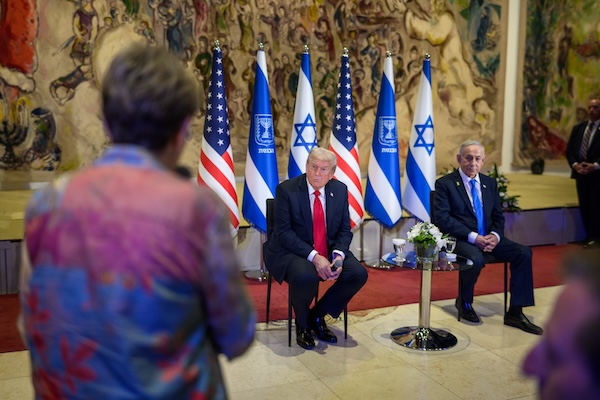
The FOMC meeting on June 16-17 comes with updated economic projections and a new dot plot. The rate decision itself is unlikely to be the story. The Fed is widely expected to keep the federal funds target range unchanged at 3.50-3.75%. The real issue is whether the statement, projections and Warsh’s first press conference acknowledge the oil-price relief without sounding complacent about inflation persistence.
Today’s Board
On Constitution Avenue: Oil Falls, But The Fed Cannot Sound Dovish
US inflation remains more than one percentage point above the Fed’s 2% target, while tariffs, energy costs and wage pressures have kept the inflation debate alive. Reuters noted that Warsh’s press conference will be closely watched for his view on whether oil and tariff shocks are temporary or beginning to create a more persistent inflation problem.
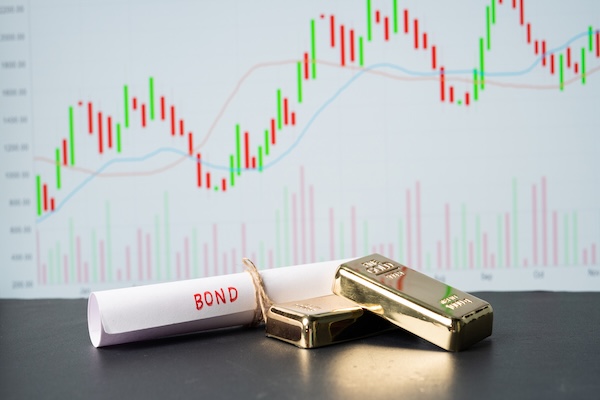
The bond market has already moved. The US 10-year Treasury yield declined to around 4.43% on Monday, its lowest level in about a month, as the Iran deal lowered inflation-risk premia and reduced expectations of tighter policy. That matters for the Fed because long-end yields are already doing part of the adjustment. The question is whether Warsh validates that move or leans against it.
The dot plot will therefore matter less as a mechanical forecast and more as a reaction-function test. If inflation projections are revised higher but the median rate path shows no hike, markets may conclude the Fed is willing to look through the shock. If the dots move higher, the message will be that oil relief has not changed the broader inflation risk.
Eurotower: Relief, But Not Reversal
That is the dilemma now facing most major central banks. Falling oil prices reduce the need for immediate action, but they do not prove that earlier energy shocks have not already passed into expectations, wages, services and goods prices.
BOJ: A Hike Still Looks Likely
The issue for Tokyo is guidance. A hike without Ueda at the table can still be delivered. Explaining the next one may be harder.
BOE: Hold Expected, But Dissent Risk Remains
The Bank of England is expected to keep Bank Rate unchanged at 3.75% on Thursday. Governor Andrew Bailey has argued that the BOE has already tightened relative to earlier market expectations by halting planned rate cuts. But not all policymakers appear comfortable waiting. Chief Economist Huw Pill had already voted for a rate rise, and Megan Greene has warned that acting too late may carry greater risks than acting early.
The Iran deal helps Bailey’s case for patience. It does not eliminate the risk of hawkish dissent.
RBA: Pause, Not Pivot
Policy Themes
Bond Market Relief: Falling Treasury yields ease financial conditions before the FOMC. That may complicate Warsh’s message if the Fed wants to retain an anti-inflation bias.
Second-Round Effects: The key phrase remains intact. Even with oil lower, central banks will focus on whether earlier price shocks have moved into wages, services, food, logistics and expectations.
EM Breathing Room: Oil importers such as India get immediate currency and balance-of-payments relief, but the policy outlook depends on whether inflation forecasts are revised down or merely delayed.
The Week Ahead
|
Date |
Institution/Event |
Key Focus |
|
Jun 15-16 |
Bank of Japan |
Expected hike to 1.0%; Ueda absent; guidance matters more than the move. |
|
Jun 16 |
Reserve Bank of Australia |
Hold expected at 4.35%; watch whether the RBA retains a tightening bias. |
|
Jun 16 |
Central Bank of Chile |
Can easing continue if oil relief holds and dollar pressure eases? |
|
Jun 16-17 |
Federal Reserve |
Warsh’s first FOMC; SEP, dot plot and press conference are the main events. |
|
Jun 17-18 |
Banco Central do Brasil / Copom |
Selic at 14.5%; easing bias faces inflation and fiscal complications. |
|
Jun 18 |
Bank of England |
Hold expected, but vote split and inflation language matter. |
|
Jun 18 |
Swiss National Bank |
Imported inflation and currency volatility remain the watchpoints. |
|
Jun 18 |
Norges Bank |
Energy-exporter reaction function in focus after oil’s sharp fall. |
|
Jun 18 |
Czech National Bank |
Finely balanced decision between a hike and a hold. |
|
Jun 18 |
Bangko Sentral ng Pilipinas |
Sticky inflation keeps another hike possible. |
|
Jun 18 |
Taiwan central bank |
AI-led export strength versus imported inflation and global tightening. |
|
Jun 18 |
Bank Indonesia |
Scheduled meeting after surprise hike; rupiah-defence signal is key. |
|
Jun 19 |
US-Iran memorandum |
Not a central-bank event, but the week’s most important inflation-risk checkpoint. |
Mint Street Notes
The rupee rose for a second straight session on Monday, touching a five-week high of 94.4625 per dollar before closing 0.4% higher at 94.71. Brent crude dropped more than 4% to around $83 per barrel, a clear positive for India.
The move also strengthens the effect of the RBI’s recent measures to attract dollar inflows. Economists have already upgraded their balance-of-payments forecasts, with several now expecting a small surplus instead of a large deficit.
But the inflation story is not reset. May CPI rose to 3.93%, staying below the RBI’s 4% target but confirming firmer price momentum. Wholesale price inflation rose to 9.68%, according to the newly constituted index.
The Signal
Last week’s question was whether the oil shock would force more central banks to tighten. This week’s question is whether the Iran ceasefire gives them enough confidence to wait.
For Warsh, the first FOMC meeting is therefore not merely a debut. It is a test of how the Fed communicates uncertainty. A sharp fall in oil prices argues against immediate tightening. Sticky inflation, a resilient labour market and still-elevated bond yields argue against sounding relaxed.
The message markets want is simple: oil relief means the Fed can hold.
The message the Fed may need to deliver is more complicated: oil relief buys time, but it does not yet prove that the inflation shock is over.
Sources: Federal Reserve, Reuters, ECB, Bank of Japan, Reserve Bank of Australia, Bank of England, RBI, HDFC Bank, MoSPI, Trading Economics.
More From BasisPoint