.png)

USTR Shares One-Sided Narrative on Trade Bargains With India
The conversation, so far, is heavily tilted toward opening India’s markets for US farm products and biofuels, with little clarity on market access for Indian exports.
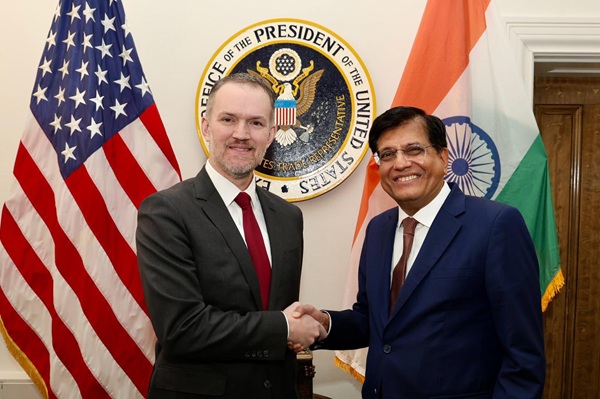

Ajay Srivastava, founder of Global Trade Research Initiative, is an ex-Indian Trade Service officer with expertise in WTO and FTA negotiations.
December 10, 2025 at 4:16 PM IST
While briefing the US Senate today, US Trade Representative Jamieson Greer said their trade team is currently in New Delhi working with Indian authorities to open market access, particularly in agriculture.
He acknowledged that India remains “a very difficult nut to crack” when it comes to accepting US exports of certain row crops and meat products, but added that New Delhi has recently been “quite forward-leaning” in negotiations and that the offers on the table are “the best we’ve ever received as a country,” making India a viable alternative market for US exporters.
USTR also said Washington is pushing to expand sales of biofuels derived from soybeans.
Row crops refer to large-scale agricultural commodities grown in mechanised farm rows and traded globally, such as corn, soybeans, wheat, cotton, rice, sugarcane, barley, sorghum and canola—products that are politically sensitive in India due to farmer livelihoods and food security concerns.
USTR’s testimony offers an authentic glimpse into US–India trade talks, but it reveals only about what Washington wants from India and not what it is willing to give in return. The conversation, so far, is heavily tilted toward opening India’s markets for US farm products and biofuels, with little clarity on market access for Indian exports.
Greer’s claim that India’s offer is “the best the US has ever received” is hard to swallow when countries like Malaysia have conceded even core policy space in their trade deals with Washington.
New Delhi must insist on balance, not optics and should remain extremely cautious about giving concessions on agriculture crops or GMO products.
If the US is serious about partnership, it should first cut the punitive tariff on Indian exports from 50% to 25%, especially since the Russian oil issue—the stated trigger—has already been resolved.
India should also avoid making commitments until the US Supreme Court delivers its verdict on President Trump’s tariff authority, which could reshape the entire negotiating table overnight.
More From BasisPoint