.png)

April 6, 2026 at 9:43 AM IST
The Reserve Bank of India’s Monetary Policy Committee is expected to keep the repo rate and policy stance unchanged at its review on Wednesday, while retaining flexibility to respond to evolving global and domestic conditions.
“The April policy comes at a time when it may be too early to react to the unfolding West Asia crisis. The RBI is expected to remain on pause, but communication will be key to keeping market expectations in check,” said Gaura Sengupta, Chief Economist at IDFC First Bank.
Polls conducted by various media organisations show a consensus on status quo in rates. Economists expect the rate-setting panel to wait for greater clarity on the impact of geopolitical developments before adjusting policy, even as recent data presents mixed signals on inflation and growth.
|
Media Organisation |
Rate Poll |
|
Bloomberg |
Unchanged |
|
Reuters |
Unchanged |
|
Mint |
Unchanged |
|
Economic Times |
Unchanged |
|
Financial Express |
Unchanged |
|
Business Standard |
Unchanged |
|
Informist |
Unchanged |
|
Moneycontrol |
Unchanged |
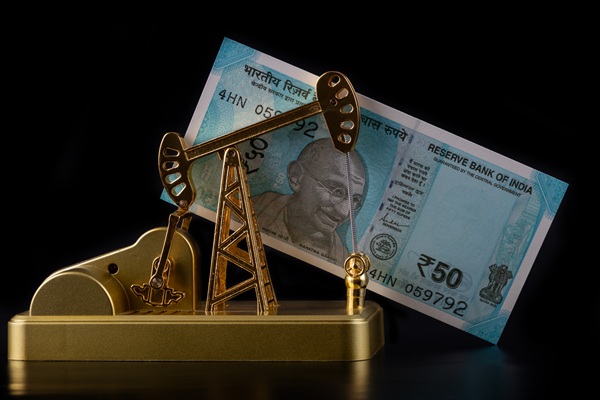
Crude oil prices have risen sharply, with India’s oil basket moving from around $62 per barrel in December to above $115 by late March. Given India’s dependence on imported energy, this increase has significant implications for inflation and the external balance. According to ICRA, “every 10% increase in crude oil prices could raise CPI inflation by 40–60 basis points, assuming full transmission to retail fuel prices.” The rating agency added that energy prices are unlikely to return to earlier levels in the near term, even if tensions ease.
Domestic inflation has remained within the RBI’s target range so far. Under the revised Consumer Price Index series, inflation rose to 3.2% in February from 2.7% in January, driven primarily by higher food and precious metal prices. However, economists expect the impact of higher oil prices to reflect in subsequent data. In its February policy, the RBI projected inflation at 4% and 4.2% for the first two quarters of 2026-27, and any revision in these forecasts will be closely tracked.
Growth conditions present a mixed picture. While domestic demand has shown resilience, higher energy prices and global uncertainty could weigh on consumption and investment. The RBI had projected GDP growth at 6.9% and 7.0% for the first two quarters of the current financial year. Economists expect the full-year growth forecast to be lower than that of 2025-26, factoring in the impact of external developments.
The external sector remains under pressure, with the rupee weakening by nearly 3% since the start of the year. Economists note that further pressure could emerge if crude prices remain elevated. The RBI has taken measures to support the currency, but its trajectory will depend largely on global factors, including capital flows and commodity prices.
Liquidity conditions have also shifted. SBI Research noted that surplus liquidity in the banking system has declined from ₹2.6 trillion in February to ₹1.7 trillion in March. “Given the current volatility in rupee and yields, we believe the liquidity should be modulated to ensure rupee also gets support,” the SBI report said. It added that the RBI should focus on market functioning and may consider tools such as Operation Twist to manage the yield curve and align market rates with the policy stance.
Overall, the MPC is likely to remain on pause while preserving flexibility in its policy approach. The stance is unlikely to shift towards tightening at this stage, but policymakers may adopt a cautious tone in response to global developments. Communication will be central to guiding expectations, with markets looking to the governor’s remarks and MPC minutes for signals on the future path of interest rates.
More From BasisPoint