.png)

Fed Divided on Rate Cut as Powell Signals Long Pause Ahead
The Fed cut rates again but signalled that the easing cycle is nearing a standstill, with only one cut projected for 2026. The meeting revealed divisions inside the committee.

December 11, 2025 at 2:29 AM IST
The Federal Reserve cut interest rates by a quarter point on Wednesday but signalled that the easing cycle may soon pause. Policymakers projected only one cut in 2026, highlighting a shift toward a more cautious approach.
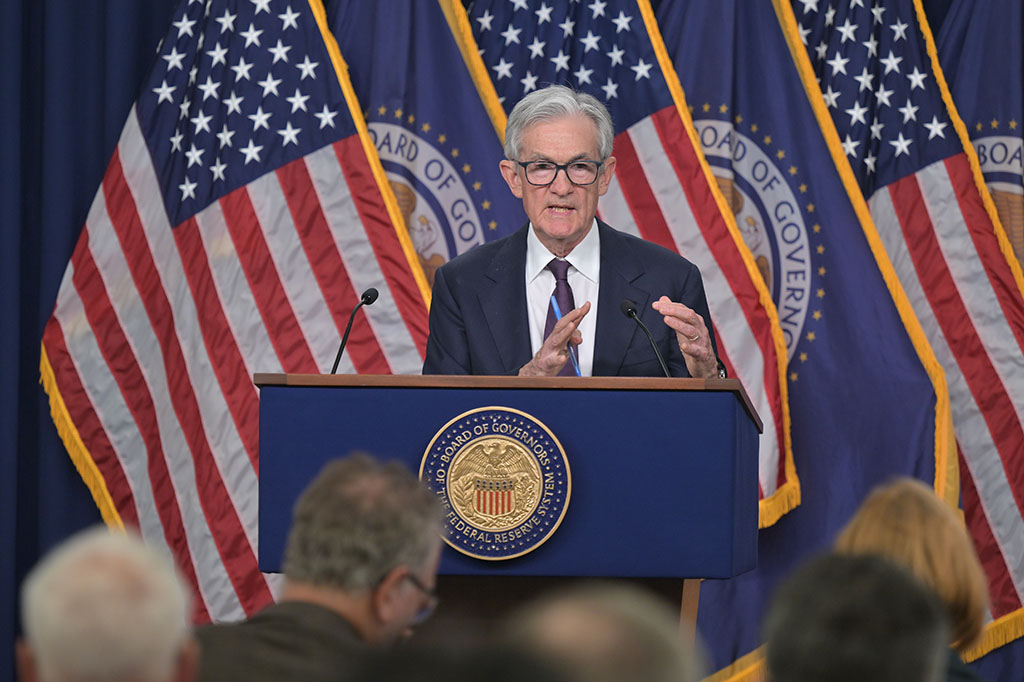
The vote again showed divisions inside the committee, and Chair Jerome Powell said the central bank is now prepared to wait and watch the data.
The Federal Open Market Committee lowered the target range to 3.50% to 3.75% in a split decision. Austan Goolsbee and Jeffrey Schmid voted to keep rates unchanged, while Stephen Miran dissented for a larger 50-basis-point cut.
Powell said officials are not considering rate increases and see policy as close to neutral. He added that after 175 basis points of cuts since September, the central bank is well placed to assess how growth, jobs and inflation evolve.
The Federal Reserve flagged cooling in the labour market, with slower job gains and a rise in unemployment. Powell said the committee does not want policy to add stress at a time when inflation remains above target but no longer shows signs of re-acceleration.
He gave no signals on the January meeting, saying risks run on both sides of the mandate. Forecasts show the economy moving toward equilibrium by 2026, reducing the need for further policy shifts unless shocks emerge.
Markets reacted quickly, with the dollar falling after the rate cut and Powell’s comments. Treasury yields slipped, and the 10-year ended the day at 4.143% after volatile swings.
Futures suggest traders still expect more easing than the Federal Reserve projects. CME FedWatch showed a 78% chance of a pause in January but implied two cuts in 2026, double the number officials foresee.
The Federal Reserve also said it will start buying $40 billion of Treasury bills from Friday.
The elevated pace will run for several months before tapering, adding to liquidity support after the halt in balance-sheet runoff in October.
More From BasisPoint