.png)

December 5, 2025 at 6:01 AM IST
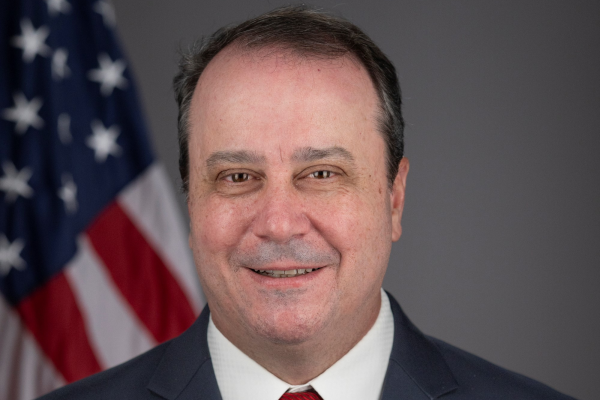
Deputy US Trade Representative Rick Switzer’s expected visit to India next week—still unconfirmed officially—looks more like diplomatic optics in the wake of President Vladimir Putin’s high-profile trip to New Delhi, thinktank Global Trade Research Initiative said in a release.
Quoting sources, news agencies The Press Trust of India and Bloomberg, published articles that said a delegation of US officials is likely to visit India next week for talks on a trade agreement.
The visit may likely aim to signal US “presence” rather than deliver results, it added.
New Delhi should not expect movement on a US–India trade deal from a deputy-level delegation: decisions and announcements on tariff relief or an FTA are made in the Oval Office, not in mid-tier trade missions, GTRI Founder Ajay Srivastava said.
The visit may be about pressing India for fresh concessions—without offering any in return, he said, adding that having already cut substantial purchases of Russian crude oil, as President Trump himself has acknowledged, India has earned more than “platitudes”.
The minimum gesture of goodwill from Washington should be the immediate withdrawal of the 25% “Russian oil” tariff now choking Indian exports, he said.
Also Read: India’s Exports to US Fall 28.5% in Past Five Months as Tariffs Batter Key Sectors
India has been on the receiving end of President Donald Trump’s global trade onslaught. He has imposed a 25% tariff on most Indian goods, citing a high merchandise trade deficit, and an additional 25% tariff linked to India’s crude oil imports from Russia.
Until those duties go, there is little reason for India to negotiate an FTA. The message to Washington should be blunt: lift the Russian oil tariffs first—talk trade later.
More From BasisPoint