.png)

July 8, 2026 at 2:49 AM IST
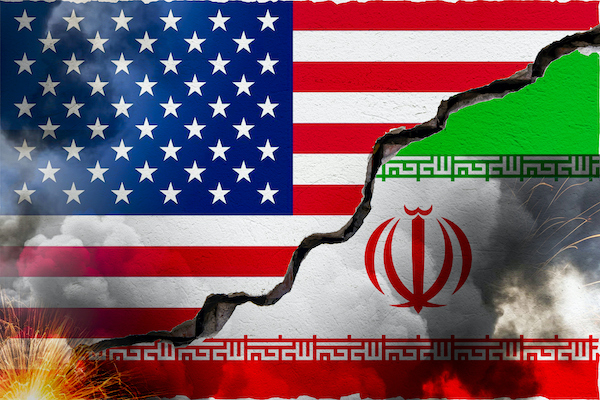
Brent crude surged above $76 a barrel on Wednesday after the United States launched fresh air strikes on Iran and revoked a temporary waiver that had allowed Iranian crude exports, reigniting concerns over supply disruptions through the Strait of Hormuz and reversing weeks of bearish sentiment.
Brent crude rose above $76 a barrel Wednesday, extending gains to more than 6% for the week, while US West Texas Intermediate climbed above $72 in the morning today. The rally followed Tuesday’s settlement, when Brent gained $2.17, or 3.0%, to $74.16 a barrel and WTI rose $1.89, or 2.8%, to $70.44 a barrel.
The market has abruptly shifted back from oversupply concerns to geopolitical risk.
Washington revoked the general licence that had permitted Iranian crude exports until August 21, shortening the wind-down period to July 17. The move came after three commercial vessels were reportedly struck by projectiles in and near the Strait of Hormuz, prompting the US to accuse Iran of targeting international shipping before launching retaliatory air strikes.
The latest escalation threatens to unravel the fragile US-Iran ceasefire agreed last month.
US officials said negotiations towards a broader agreement would continue despite the military action, but renewed hostilities have raised doubts over the durability of the diplomatic process. The Strait of Hormuz, which carried around one-fifth of global oil and LNG trade before the conflict, has once again become the focal point for energy markets.
The dominant market narrative has shifted decisively towards supply risk.
Recent attacks on commercial vessels, including a Qatari LNG carrier and a Saudi oil tanker, have heightened concerns that shipowners may once again avoid the waterway. Any sustained disruption would delay the recovery in Gulf exports that had weighed on crude prices over recent weeks.
The US decision to reimpose sanctions on Iranian oil also removes a key source of expected supply growth.
Last month’s temporary waiver had encouraged expectations that additional Iranian barrels would reach Asian buyers, contributing to forecasts of oversupply. Its revocation now casts uncertainty over those volumes and could tighten the global crude balance if restrictions remain in place.
The bullish case has strengthened materially.
Fresh military action, tighter sanctions and renewed threats to shipping all increase the risk of prolonged supply disruptions. Even if the Strait of Hormuz remains technically open, higher war-risk insurance costs and reduced commercial traffic could constrain exports from Gulf producers.
The bearish argument has weakened but has not disappeared.
OPEC+ continues to increase production targets, while Gulf producers have been restoring exports since the June ceasefire. If tensions ease quickly and shipping resumes normally, concerns over abundant supply could re-emerge. Much will depend on whether further military escalation can be avoided.
India is also closely monitoring developments. State-owned refiners are assessing the possibility of purchasing Iranian crude if Washington extends the temporary sanctions waiver or eases restrictions further. However, the latest US decision to revoke the licence has once again clouded the outlook for Iranian exports to Asian buyers.
The current market read has shifted back towards caution.
Near-term upside risks include further attacks on commercial shipping, additional US or Iranian military action and tighter sanctions that restrict Gulf exports. Downside pressure would come from renewed diplomatic progress, restoration of tanker traffic and continued production increases by OPEC+ producers.
For now, Brent’s move back above $76 reflects a market that is once again pricing geopolitical disruption rather than the supply recovery that had dominated sentiment over the past two weeks.
More From BasisPoint